News – WASH Ghana – RCN Ghana https://washghana.org WASH Ghana - RCN Ghana Mon, 04 May 2026 16:15:43 +0000 en-US hourly 1 https://wordpress.org/?v=7.0 https://washghana.org/wp-content/uploads/2024/01/cropped-RCN-32x32.png News – WASH Ghana – RCN Ghana https://washghana.org 32 32 Owabi 75% blocked, Barekese loses 40% capacity as siltation, plastics threaten water supply crisis https://washghana.org/owabi-75-blocked-barekese-loses-40-capacity-as-siltation-plastics-threaten-water-supply-crisis/ Sat, 11 Apr 2026 11:55:54 +0000 https://washghana.org/?p=8267 By: Emmanuel B. Quaicoe

Ashanti region’s water security is facing a growing threat as two of the main treatment plants supplying the Greater Kumasi metropolis are gradually being choked by silt and heavy pollution of plastics. According to the management of the Ghana Water Limited (GWL), the Owabi Treatment Plant is already 75 per cent clogged with fine sand particles and plastics, while the Barekese dam, the largest treatment facility, has lost 40 per cent of its total water holding capacity to silt.

Officials fear that without urgent dredging and stronger protection of the water bodies, thousands of homes could face serious water shortages within the next two years as climate change worsens the situation. The Owabi Treatment Plant supplies potable water to thousands of homes in the Greater Kumasi metropolis, processing about 3 million gallons of water daily.

However, the water resource feeding the facility is, in recent times, suffocating with heavy plastic pollution and fine sand particles. The once-crystal-clear water resource is now a pale shadow of its former self, turning into a dirty and milky mixture. The poor state of the water resource has compelled Ghana Water Limited to task workers to regularly clear up the waste.

Chief Manager at the Ashanti Production Region of Ghana Water Limited, Dr Hanson Mensah-Akutteh, said, “This is even more serious because the volume that is now left on the surface of the reservoir is just small, and this cannot even take us to a year if there is a serious climate variability.”

At the Barekese dam, although the water appears clearer, it is heavily choked with sand, drastically reducing its water-holding capacity. The water distribution company attributed the recent development to fast encroachment on the banks of the water resource, including settlement and farming activities. Management warns that without immediate intervention, thousands of homes that depend on the two dams could struggle for potable drinking water in the coming years.

“People have degraded the forests. They’ve developed lands along the catchment area – the whole system is being weeded into the river course, and the river base is highly silted,” he said. He warned that: “In the next two to three years, if there is a serious climate change of drought/dryness, Kumasi will be out of water”.

During a working visit to the sites, the Managing Director of Ghana Water, Adam Mutawakilu, bemoaned the state of the facility and assured urgent action to save the plants from total collapse.

“The Barekese dam has a gauge at the deep, middle, and top levels. Currently, we can’t extract water from the deeper part,” he added.

He indicated that: “There is at least revenue for the dredging, based on which we have requested commitment authorisation from the finance ministry. It is my hope that it will be approved on time so that we can kickstart the dredging”.

Meanwhile, a special national security task force is expected to be around the water bodies to safeguard them from any encroachment.

]]>
View climate crisis as a water, sanitation and hygiene issue – WaterAid https://washghana.org/view-climate-crisis-as-a-water-sanitation-and-hygiene-issue-wateraid/ Mon, 30 Mar 2026 17:51:04 +0000 https://washghana.org/?p=8314 By: GhanaWeb

Head of Strategy, Policy and Campaigns at WaterAid, Ibrahim Musah, has made an urgent call to the government to treat climate crisis as a water, sanitation, and hygiene (WASH) issue, pointing to its immense impact on access to safe water and proper sanitation.

During an exclusive interview on JoyNews Desk on Monday, March 30, 2026, Musah elaborated saying that climate change is creating new and complex challenges within the WASH sector, making it a pressing canker for both the government and local communities. He noted that WaterAid is working closely with the National Development Planning Commission to assist five districts in the Upper East Region in incorporating climate change into their development plans.

These include Bongo District, Nabdam District, Kassena Nankana Municipal, and Kassena Nankana West District.
Referencing the National Water Policy in 2024, developed by the Ministry of Works, Housing and Water Resources, he termed it as a forward-looking framework designed to anticipate and respond to the effects of climate change.

Musah further revealed that efforts are ongoing to finalize Chana’s Nationally Determined Contributions (NDCs), which are expected to strengthen the country’s climate resilience strategy.
“Communities are already beginning to see the benefits of the Climate WASH Resilience Fund, which is supporting grassroots adaptation initiatives,” he said. Musah stressed that empowering communities to take part in local planning processes will be essential to ensuring that climate adaptation measures are both effective and sustainable.

]]>
WaterAid’s “Time to Deliver”: Campaign Urges Immediate Action for Water in Ghana’s Health Facilities https://washghana.org/wateraids-time-to-deliver-campaign-urges-immediate-action-for-water-in-ghanas-health-facilities/ Fri, 20 Mar 2026 12:36:54 +0000 https://washghana.org/?p=8270 By: Franklin ASARE-DONKOH

WaterAid Ghana, an International Non-Governmental Organisation (INGO) in collaboration with its partners have launched a nationwide movement to address a silent crisis in Ghana’s healthcare system: the lack of clean water in delivery rooms and clinics.

The “Time to Deliver” campaign, a strategic advocacy initiative calling for urgent investment in Water, Sanitation, and Hygiene (WASH) services.

The campaign specifically targets a critical gap in maternal health, highlighting that currently, 45% of healthcare facilities in Ghana operate without basic access to clean water.

A Crisis for Mothers and Newborns

The urgency of the Time to Deliver petition is underscored by harrowing statistics released during the campaign launch in Accra, Bongo and other parts of the globe.

Data available shows that every two seconds, a woman gives birth in a facility lacking clean water, leading to more than one million preventable deaths of mothers and newborns globally each year due to infections.

In Ghana, the disparity is sharp: a woman in the Upper East Region is eight times less likely to give birth in a facility with running water compared to one in the Greater Accra Region.

Policy and Financing Demands

The campaign is not merely a call for awareness but a demand for funded, measurable action from the government.

Advocates are pushing for:

National Accountability: Ensuring the government honors the Ghana Presidential WASH Compact, which commits to an annual investment of US$1.7 billion to achieve SDG 6 by 2030.

Budget Prioritization: Calling on the Ministry of Finance to include dedicated WASH funding in the 2026 economic policy to improve Infection, Prevention, and Control (IPC) in health centers.

Gender-Responsive Investment: Placing women and midwives at the center of infrastructure planning, as midwives are currently forced to deliver babies without the ability to wash their hands or clean wards properly.

The public is encouraged to add their names to the global petition to hold decision-makers accountable ahead of major international water summits later this year.

“Sign the ‘Time to Deliver campaign’ petition to make access to clean water in all healthcare facilities a reality.”

https://wateraidukmail.org/c/AQjzrgYQ5NLWARiz_sqrAiCf_vspKNrhgBGgZAmQ5qmzppyUqMCf5x1OvkeJDTi91HMf7FMNP-PF7Q

For every mother should be able to bring her baby into the world somewhere with clean water. Every baby should be able to start their life somewhere safe.

]]>
Annual sanitation losses estimated at GHS 6.2 billion – ISSER https://washghana.org/annual-sanitation-losses-estimated-at-ghs-6-2-billion-isser/ Sun, 15 Mar 2026 14:37:09 +0000 https://washghana.org/?p=8273 By Georgina Appiah Amponsah

There was a moment in the room when the conversation shifted. It was no longer just about the numbers. It became about structure, accountability and who is actually in charge.

A high-level stakeholder engagement in Accra, convened by the Institute of Statistical, Social and Economic Research at the University of Ghana, ended with a strong and shared position: Ghana’s sanitation crisis requires a dedicated regulatory authority for the Water, Sanitation and Hygiene sector.

The call followed the presentation of a sobering study showing that Ghana loses more than GHS 6.2 billion annually to diseases linked to poor waste management and sanitation.

Cost of inaction

The research, led by Prof. Peter Quartey and Dr. Kwame Adjei-Mantey, titled An Economic Analysis of the Benefits of Adequate Investment in Waste Management and Sanitation in Ghana, laid bare the scale of the problem. Five sanitation-related diseases of malaria, cholera, pneumonia, typhoid fever and diarrhoea account for nearly 31.9 million lost workdays each year and an estimated 177,222 deaths.

Direct medical costs alone amount to about GHS 5.8 billion annually, with an additional GHS 650 million lost through reduced productivity. In simple terms, Ghana is spending far more dealing with preventable illness than it is investing in prevention.

Currently, the country spends an average of about GHS 38 per ton of waste generated. The researchers described this as disproportionately low when weighed against the public health and economic consequences.

The regulatory gap

But beyond the numbers, what dominated the discussions was fragmentation. Participants including policymakers, Members of Parliament, local government officials, development partners, civil society organizations and private sector actors repeatedly pointed to weak coordination and overlapping institutional mandates within the WASH space.

Some argued that sanitation continues to suffer because responsibility is dispersed across multiple ministries, agencies and assemblies without a single, empowered body to regulate standards, enforce compliance and coordinate financing. By the end of the engagement, there was broad agreement that establishing a National WASH Regulatory Authority could provide the structural backbone the sector currently lacks. Not everyone framed it exactly the same way. A few participants cautioned against simply adding another bureaucratic layer.

But even those voices acknowledged the need for stronger central oversight, clearer accountability lines and enforceable standards and a financing including revenue generation paths for such an authority to adequately champion the course of the sector.

Whether through a newly created authority or a legally strengthened and consolidated framework, the consensus was clear: the current arrangement is not delivering optimal results.

The investment case even strengthens the argument

The study’s cost-benefit modelling further reinforced the case for reform. Under the existing business-as-usual approach, every GHS 1 invested in waste management generates about GHS 180 in economic returns. Under a best-case scenario, where investment rises to approximately GHS 1,028 per tonne in line with lower-middle-income benchmarks, returns could increase to GHS 556 per GHS 1 invested.

Projected national benefits under enhanced investment could reach GHS 58 billion in 2025 and rise to GHS 67.2 billion by 2032. Those figures changed the tone of the debate. Sanitation stopped sounding like a cost centre. It began to look like one of the highest-return public investments available. And when investment of that scale is involved, regulation becomes unavoidable.

Targeted oversight for high-risk areas

Stakeholders also acknowledged that sanitation challenges vary significantly between urban slums, peri-urban settlements and rural communities. Prof. Quartey noted that waste management in hard-to-reach communities requires flexible and often more expensive collection systems. A regulatory authority, participants argued, could standardize service benchmarks while allowing contextual implementation models. Concerns about uncollected waste, dumping into drains and water bodies, and inconsistent enforcement of sanitation by-laws were cited as further evidence of weak regulatory coordination.

Beyond infrastructure: Jobs and education

The discussions extended to green jobs, recycling and skills development. Investment in sanitation, stakeholders noted, could unlock employment opportunities across the waste value chain. However, such expansion would require standards, certification systems and clear operational guidelines. Again, regulation surfaced as a central enabler.

A shift in framing

By the close of the forum, one point had crystallized: Ghana’s sanitation losses are not just a public health issue. They are a governance issue.

The research team concluded that annual sanitation-related losses far exceed current spending levels. Participants agreed that without a coherent regulatory framework to align financing, enforce standards and coordinate institutional mandates, increased investment alone may not yield optimal results. In that sense, the consensus for establishing a dedicated WASH regulatory authority was not reactionary. It was structural.

Sanitation, the stakeholders emphasized, must move from being treated as a residual expenditure to being governed as a core pillar of national development.

]]>
Mainstreaming climate change into development planning https://washghana.org/mainstreaming-climate-change-into-development-planning/ Wed, 11 Mar 2026 11:12:26 +0000 https://washghana.org/?p=8255

The need to mainstream climate change into development planning is particularly underscored by the fact that Ghana is already experiencing the adverse impacts of climate change. Recurrent drought, flood and climate induced diseases such as malaria and cerebrospinal meningitis in most parts of the country and the associated loss of property and lives can be ascribed to climate change. Relief and rehabilitation efforts have become a constant major drain on Ghana’s development drive.

The need to mainstream climate change into development planning is particularly underscored by the fact that Ghana is already experiencing the adverse impacts of climate change. Recurrent drought, flood and climate induced diseases such as malaria and cerebrospinal meningitis in most parts of the country and the associated loss of property and lives can be ascribed to climate change. Relief and rehabilitation efforts have become a constant major drain on Ghana’s development drive.

But much less attention has been paid to making development more resilient to climate change, its related disasters and impacts. Current efforts appear to be largely driven by emergency and hardly consider the long-term ripple implications on life and property.

It was emphasised at the Mole 21 that climate change should be considered and treated as one of the external factors that can have an intense direct or indirect consequence on WASH services delivery. And since WASH services delivery and poverty reduction were mutually dependent on each other, it was imperative to balance poverty reduction interventions with climate change adaptation strategies to maximise benefits, especially for local populations.

Presenting a paper on Integrating Climate Change into National Development Planning, Winfred Nelson of the National Development Planning Commission (NDPC) acknowledged that national development goals could be hampered by ignoring climate change and disaster risk reduction issues.

It is a truism that Ghana needs to secure water for her people, secure water for food production, develop alternative job creation activities, protect vital ecosystems, deal with variability of water in time and space, manage risks, create popular awareness and understanding, forge political will and make traditional authority act, and ensure collaboration across sectors and boundaries. These are vital to efforts at combating climate change.

What is Climate Mainstreaming?

From Nelson’s perspective, “climate change mainstreaming is simply making climate change a ‘normal’ thing in the national development planning processes.  It is taken as the consideration and incorporation of climate change as a vital component in the whole processes of decision-making.”

It is also a comprehensive integration and inter-weaving of climate change with other environment and socio-economic themes and dealing with the trade-offs in the complete planning processes – formulation, planning and budgeting implementation, and monitoring and evaluation.

The call to mainstream is justified by the following reasons: Ghana is a party to the United Nations Framework Convention on Climate Change (UNFCC) and is obligated under the UNFCCC to mainstream climate change. Article 3.4 of the Convention states that :

“The parties have a right to, and should, promote sustainable development.  Policies and measures to protect the climate system …should be integrated with national development programmes, taking into account that economic development is essential for adopting measures to address climate change.”

Also, Ghana is a climate sensitive economy, i.e. a large part of the population is heavily dependent on climate; poverty incidence in Ghana is very much linked to climate variability and climate change and mainstreaming will ensure targeted and coordinated approach.

Ongoing efforts

A few scattered frameworks are being worked on. These include Ghana Climate Change Impacts, Vulnerability and Adaptation AssessmentsMedium Term Development and Budgetary ProcessesNational Climate Change Adaptation Strategy (NCCAS)Climate Change Policy BriefsEconomics of Climate Change AdaptationPiloting of Climate Change interventions in some districts, Low Carbon Growth Issues, and Sub-Regional Scale Issues.

Plans under the NCCAS

The NCCAS takes cognisance of the fact that climate change impacts various sectors. Regarding water, the NCCAS, which is still yet to be finalised, observes that reduction in precipitation and its associated decline in surface runoff and groundwater recharge can result in water shortages and subsequently move the country from its current position of relatively water rich to water stressed country. Thus, one of the major adaptation options in the NCCAS is the promotion of water harvesting systems in the construction industries i.e. the building industry.

In terms of food security, it is anticipated that climate change can result in drought and erratic rainfall patterns which will in turn compromise the availability, accessibility and affordability of food in Ghana as the area for growing crops as well as the length of the crop growing season are expected to decline.

Furthermore, the increasing attractiveness of biofuels also has implications for food security as more farmlands are converted to biofuel plantation. Cultivation of drought-resistant and early maturing crops is recommended as one of the adaptation options.

The energy sector is considered the largest emitter of green house gases in Ghana. Expected decline in rainfall would result in low levels of water in rivers feeding water into the hydro-electric dams and consequently compromise the country’s ability to generate power. One of the recommended options under NCCAS is the promotion of energy mix for the country.

Again, climate change has consequences for national security. Potential increase in drought and erratic rainfall patterns and the associated decrease in arable land are likely to create a wave of “environmental refugees”. The resulting movement of people could create new conflicts and exacerbate existing tensions. There, the improvement of national biodiversity conservation especially on sustainable land management is an adaptation option worth considering.

As would be expected, the health sector too will not escape from the impacts of climate change. This is particularly because expected increases in climate change-induced flooding and increases in temperature could exacerbate the burden of diseases such as malaria, diarrhoea and meningitis.

One of the recommended adaptation programs under the NCCAS is the promotion of efficient early warning systems to inform the public on the outbreak of epidemics. Drains should be constructed, taking into consideration changes in rainfall patterns.

Challenges and opportunities

So far, challenges facing the mainstreaming of climate change include a lack of balance between the short-term poverty reduction and long term development strategies. There is also weak coordination of activities by key stakeholder. There is inadequate financing, as well as, inadequate capacity building and retention.

Despite the challenges, major opportunities exist to be tapped. There is opportunity to improve sources of funding for development interventions through means such as carbon trading. This can in turn lead to a minimisation of loss of life and property.

These opportunities can be harnessed for the future through a number of measures, including increasing the understanding and knowledge of climate change nationwide; scaling up coordination between the Ghana National Climate Change Committee and other organs to ensure an efficient National Climate Change Plan and enhancing capacity of actors through training and on the job training.

Going forward, there is also the need for mass sensitisation, improvements on observation and early warning systems, strengthening research base, and enhancing partnership and international cooperation.

In addition, impacts could be minimised through proper planning and integration of climate change and disaster risk reduction measures into all facets of national development planning particularly at the district level and across sectors.
]]>
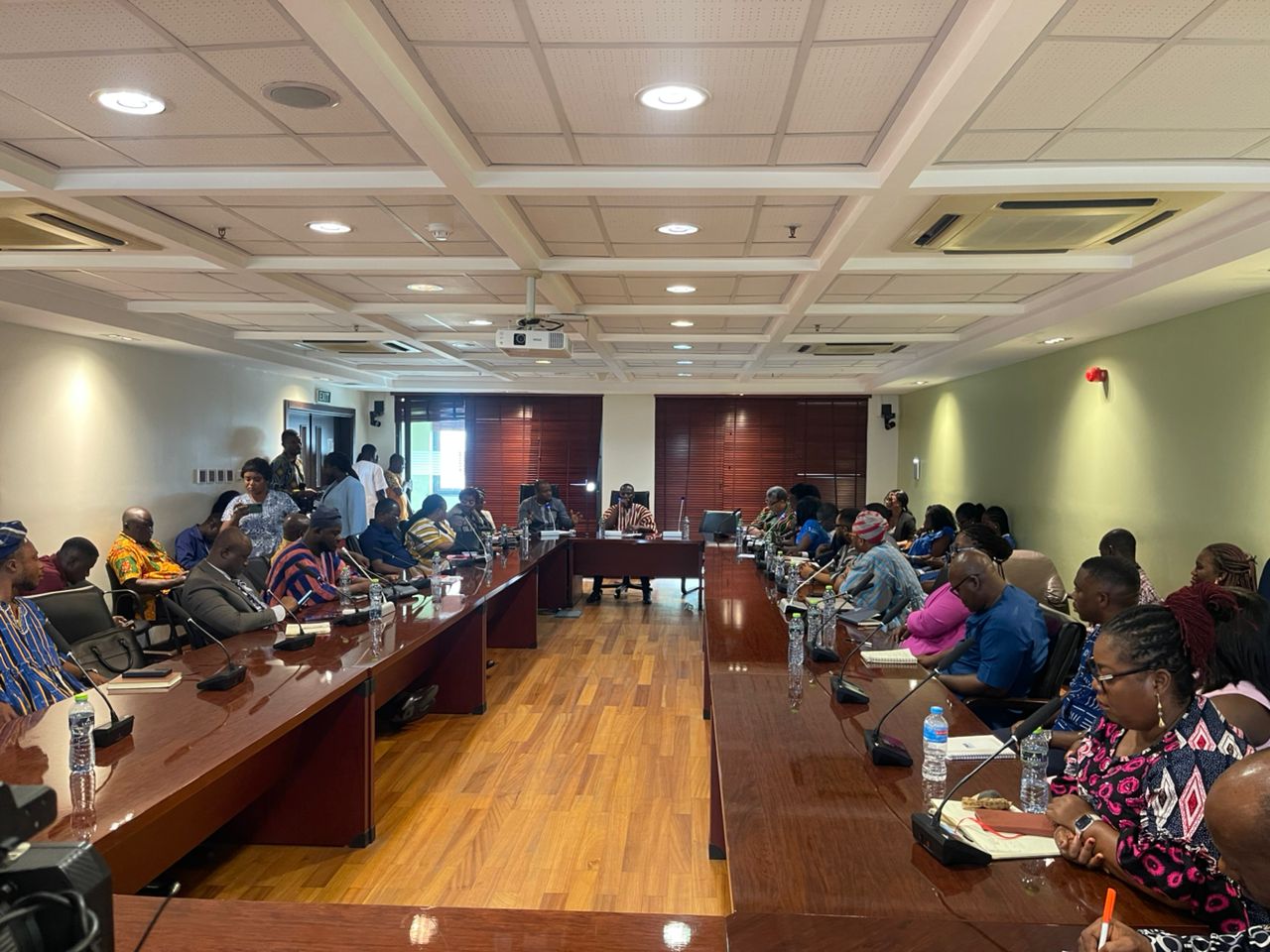
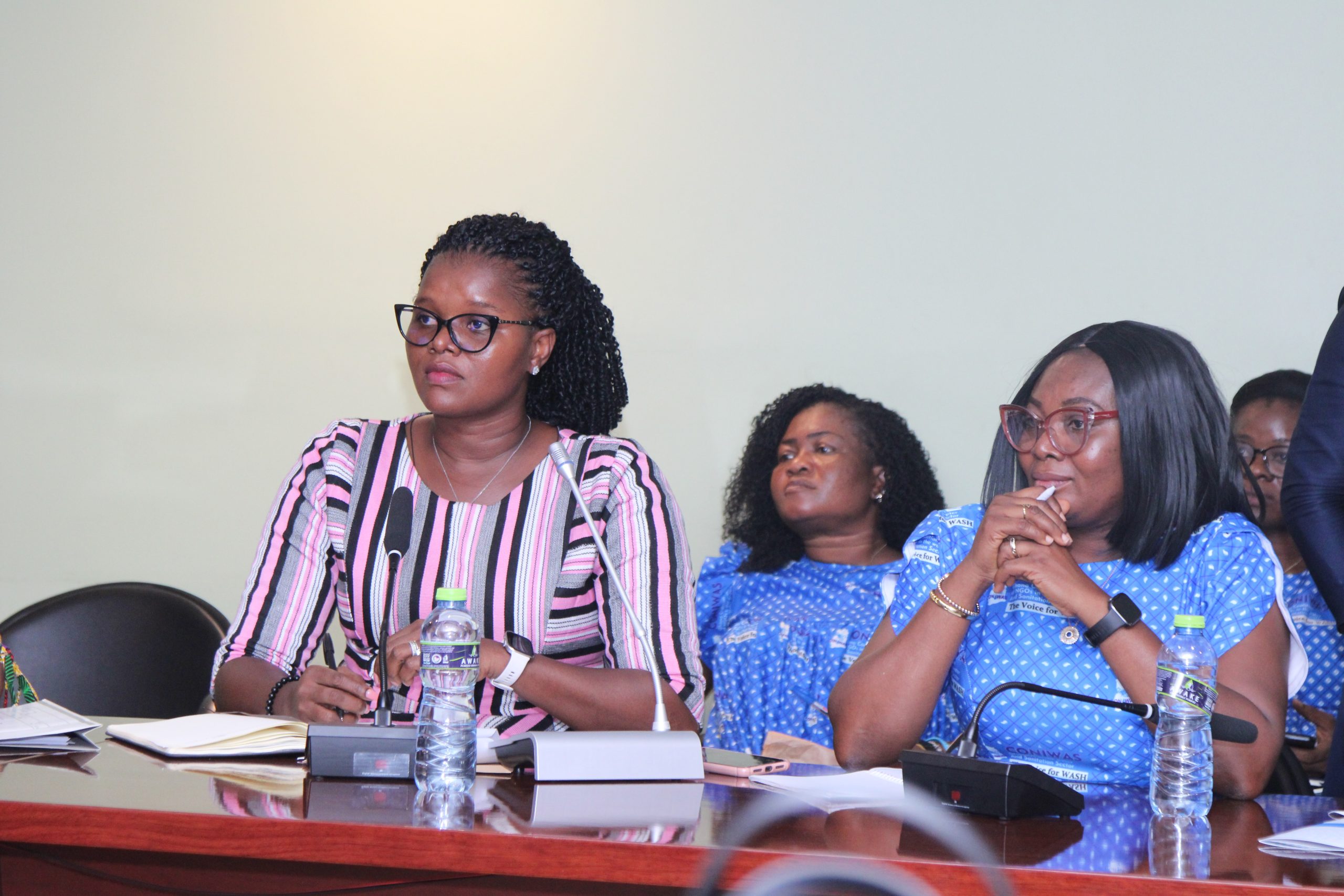
CONIWAS Engages Parliamentary Committee to Strengthen Accountability in Ghana’s WASH Sector https://washghana.org/coniwas-engages-parliamentary-committee-to-strengthen-accountability-in-ghanas-wash-sector/ Fri, 20 Feb 2026 12:14:40 +0000 https://washghana.org/?p=8240 The Coalition of NGOs in Water and Sanitation (CONIWAS) has strengthened its collaboration with national policymakers following a strategic engagement with the Parliamentary Select Committee on Sanitation and Water Resources at Parliament House. The meeting, held on February 18, 2026, focused on accelerating key reforms and financing priorities within Ghana’s Water, Sanitation, and Hygiene (WASH) sector.

The session provided a formal platform for civil society to present evidence on sector challenges, propose regulatory reforms, and reinforce the need for structured cooperation between Parliament and non-state actors to ensure sustainable WASH outcomes.

Strategic Priorities Discussed

  1. Scaling Up WASH Financing

CONIWAS urged Parliament to champion increased and more strategic WASH financing during upcoming budget cycles, aligning national resource allocation with Ghana’s Presidential Compact target of approximately US$1.7billion annually for WASH investments. Civil society emphasized that current sector allocations remain far below national investment needs, meeting only about 10% of required financing.

  1. Advancing a Comprehensive Water Services Act

The coalition called for the development and passage of a robust Water Services Act to harmonize regulatory responsibilities and eliminate overlapping mandates within the water sub-sector. This recommendation aligns with earlier parliamentary discussions on service delivery gaps involving the Ghana Water Company Limited and the Community Water and Sanitation Agency.

  1. Parliamentary Support for a National Sanitation Authority

The Committee reaffirmed strong support for the creation of a National Sanitation Authority (NSA) backed by a dedicated National Sanitation Fund—a reform also endorsed in recent civil society engagements. The Authority is envisioned to strengthen sanitation regulation, revenue generation, and structured compliance across the country.

  1. Fast‑Tracking the Revised Environmental Sanitation Policy

The Select Committee signaled readiness to support the timely approval of the Environmental Sanitation Policy once the revised version is submitted to Parliament.

  1. Strengthening Environmental Health Structures

CONIWAS advocated for upgrading Environmental Health Units at the district level into full departments to enhance enforcement capacity and professionalization of environmental health services.

  1. Monitoring District Assembly Common Fund Allocations

The coalition reiterated its commitment to tracking the use of the 20% District Assembly Common Fund (DACF) allocation for WASH, ensuring funds are used effectively for sanitation and water service improvements.

  1. Institutionalizing Civil Society–Parliament Dialogue

Both parties agreed to establish regular structured engagement between CONIWAS and the Select Committee to deepen accountability, ensure evidence-informed reforms, and maintain continuous feedback loops.

Data Spotlight: The Urgency for Reform

CONIWAS presented critical sector data that underscores the need for accelerated action:

  • 87% of Ghanaians have basic water access.
  • Only 42% benefit from safely managed water services—highlighting significant quality and reliability gaps.
  • Open defecation stands at 18%, reflecting persistent sanitation challenges despite ongoing investments.

These findings align with national-level assessments shared during recent parliamentary engagements reviewing rural water service gaps and regulatory bottlenecks.

Next Steps: Technical Inputs Requested by Parliament

In a significant development, the Parliamentary Committee requested:

  • A technical policy paper detailing the rationale, structure, and institutional placement of the proposed National Sanitation Authority, and
  • A technical paper on a potential national sanitation levy, to guide parliamentary deliberations on future sanitation financing mechanisms.

This request signals Parliament’s openness to concrete, evidence-based reforms and its willingness to incorporate civil society input into legislative processes.

CONIWAS Reaffirms Commitment

The coalition reiterated its commitment to:

  • Evidence-based advocacy
  • Budget tracking and fiscal accountability
  • Strengthening regulatory frameworks
  • Ensuring equitable and sustainable WASH services for all Ghanaians

With momentum building and Parliament demonstrating renewed resolve, stakeholders say Ghana is at a pivotal moment for transformative WASH sector reform.

]]>
African Leaders Endorse and Launch the Africa Water Vision 2063 & Policy at 39th AU Summit https://washghana.org/african-leaders-endorse-and-launch-the-africa-water-vision-2063-policy-at-39th-au-summit/ Wed, 18 Feb 2026 11:36:14 +0000 https://washghana.org/?p=8219 From Political Elevation to Continental Action under the 2026 AU Theme of the Year

Water and sanitation have moved decisively to the centre of Africa’s political agenda.
At the High-Level Side Event on “Assuring Sustainable Water Availability and Safe Sanitation Systems to Achieve the Goals of Agenda 2063”, held on the margins of the 39th Ordinary Session of the Assembly of the African Union, African leaders launched the Africa Water Vision 2063 and Policy on 15th February 2026– marking a decisive step from political recognition to coordinated continental delivery.The launch of the Vision and Policy signals a strategic shift: water and sanitation are no longer treated merely as sectoral challenges, but recognised as fundamental for economic transformation, climate resilience, regional integration and long-term prosperity.

A Continental Framework for Transformation
The Africa Water Vision 2063 and Policy establishes a shared continental direction to:

  • secure sustainable water availability
  • ensure safe sanitation systems for all
  • mobilise climate-resilient investment
  • strengthen governance and accountability
  • advance transboundary cooperation

The launch of the Africa Water Vision 2063 and Policy followed its endorsement during the Ordinary Session of the Heads of State and Government. The Vision and Policy become the basis for elaborating:
(i) The continental implementation framework aimed at advancing the goals of Agenda 2063; and
(ii) The Africa’s Common Position and contribution to the UN 2026 Water Conference, accelerating global progress on SDG 6.

Anchored in eight strategic pillars – from universal access and sustainable water availability to resilient ecosystems, trusted data systems, human capital development and cooperative basin management – the Vision and Policy provide a coherent blueprint for delivery across sectors and borders.

Leaders Call for Investment, Implementation and Results

At the beginning of the launch of the Vision and Policy, H.E. Mahmoud Ali Youssouf, Chairperson of the African Union Commission, who was represented by H.E. Moses Vilakati, AU Commissioner for Agriculture, Rural Development, Blue Economy and Sustainable Environment (ARBE), described the moment as historic:
The decision by the Heads of State and Government to dedicate 2026 to water and sanitation marks a historic turning point to the African Continent.” He underscored that: “Investing in water and sanitation is not a cost. It is one of the highest return on investments Africa can make. If we secure water and sanitation, we secure Africa’s economic transformation”.

Presenting the Action Framework for the 2026 Theme of the Year, H.E. Moses Vilakati, AU Commissioner ARBE emphasised that the focus now is implementation:

This Theme is designed to accelerate implementation.” He warned that Africa is currently off track in achieving its water and sanitation commitments… The sector remains significantly under-financed.” Commissioner Vilakati stressed that success will ultimately be measured by delivery and by how many African citizens gain access to safe water, safe sanitation, and resilient services.”

Speaking on behalf of AMCOW, H.E. Dr Cheikh Tidiane Dièye, Minister for Hydraulic and Sanitation of Senegal and President of AMCOW, framed the Vision as transformative: “This is not merely a sectoral vision and policy. It is a continental strategy for prosperity, peace and resilience. He added: Today, we are not simply launching a document – we are inaugurating a new era of continental determination.”

The official launch was led by H.E. Hakainde Hichilema, President of the Republic of Zambia, who was represented by Hon. Eng. Collins Nzovu, MP, Zambia’s Minister of Water Development and Sanitation. The President recalled the mandate entrusted to him by the Assembly: “Today, we fulfill that mandate.” He described the Vision as: “not just a policy, but a transformative blueprint.” He also described water as Africa’s most vital strategic resource: “It is the lifeblood that sustains our people, the energy that powers our industries, and the common thread that binds our nations together”. President Hichilema further underscored the urgency of water cooperation: “With 90% of our surface water crossing borders, cooperation is no longer an option, it is our only path to survival. The Africa Water Vision 2063 and Policy serve as our “Common Position” integrating water into the African Peace and Security Architecture to ensure that our shared basins remain engines of regional integration rather than sources of conflict”. In launching the vision, he also underscored the need to confront inaction and deal with the annual water investment gap in Africa estimated at US$ 30 billion and called on every leader, partner and citizen of Africa to embrace the Vision and Policy.

The European Union supports this continental ambition through Blue Africa Action, co-funded  with the Government of Germany and implemented in partnership with the African Union Commission and AMCOW. The initiative contributed to the development of the Africa Water Vision 2063 and Policy and continues to support its implementation.

From Lessons to Leadership
The Africa Water Vision 2063 & Policy builds on lessons from the Africa Water Vision 2025 and continental monitoring mechanisms, including AMCOW’s WASSMO reporting process. These assessments have highlighted both progress and persistent gaps – reinforcing the need for stronger accountability and accelerated implementation.

A Call to Collective Delivery
With its endorsement, the Africa Water Vision 2063 & Policy now sets a clear direction for Member States, Regional Economic Communities and partners to translate political commitment into measurable impact. Clearly, African leaders are convinced that securing water and sanitation means securing Africa’s future.

Download the Africa Water Vision 2063 and Policy in English and French here: https://washghana.org/wp-content/uploads/2026/02/46011-doc-EN-Africa_Water_Vision_2063_and_Policy.pdf
About AMCOW
The African Ministers’ Council on Water (AMCOW), established in 2002, provides political leadership, policy direction and advocacy for water and sanitation across Africa. As the sectoral committee on water and sanitation to the African Union’s Specialised Technical Committee on Agriculture, Rural Development, Blue Economy, Water and Environment (STC-ARBWE), AMCOW coordinates continental water policy and supports Member States in advancing sustainable water management.
Further information: www.amcow-online.orgMedia contact:
Mr.  Molalet Tsedeke I Information and Communications Directorate I African Union Commission I Tel: 0911-630631 I Email: molalett@africanunion.org
Mr Emmanuel Uguru | Policy Officer, Monitoring Evaluation Reporting and Learning | E-mail: cuguru@amcow-online.org

Information and Communication Directorate, African Union Commission I E-mail: DIC@africanunion.org IWeb: www.au.int | Addis Ababa, Ethiopia | Follow Us: Facebook | Twitter | Instagram

]]>
Ghana Health Advocate Highlights Progress in WASH and Neglected Tropical Diseases Fight https://washghana.org/ghana-health-advocate-highlights-progress-in-wash-and-neglected-tropical-diseases-fight/ Mon, 16 Feb 2026 12:24:51 +0000 https://washghana.org/?p=8216 Health systems advocate and WASH specialist Atoku Ghartey has highlighted remarkable strides being made in the fight against neglected tropical diseases (NTDs) across Ghana, emphasizing community screening, water and sanitation improvements, and frontline health worker empowerment through training.

In a recent professional post on LinkedIn, Ghartey reflected on ongoing efforts to strengthen water, sanitation and hygiene (WASH) infrastructure and integrated skin-NTD programming in underserved communities, part of a broader initiative supported by international partners and local health stakeholders.

“As we drive deeper into the endemic zones, the combination of clean water provision, active case finding, and capacity building is making a real difference in peoples’ lives,” Ghartey wrote, emphasizing the importance of early detection, referral systems, and community education in reducing disease burden.

The discussions around WASH and NTDs align with multi-partner programmes funded by organizations such as the Anesvad Foundation, which has supported projects aimed at expanding safe water access and hygiene practices in skin-NTD endemic areas of Ghana since 2023. These interventions focus on disease prevention, reduction of stigma, and improving quality of life, especially in rural districts where water access and sanitation have historically lagged.

Ghartey also highlighted collaborative work with municipal health workers and local assemblies to conduct community screenings and increase awareness about skin-related NTDs — a group of diseases including Buruli ulcer, leprosy and yaws that disproportionately affect the poorest communities. He noted the critical role of frontline health workers in identifying suspected cases early and facilitating treatment and referral.

These efforts mirror capacity-building initiatives across the country, where targeted training has helped boost health worker confidence and competence in diagnosing and managing skin NTDs — a key step in closing gaps in local health systems.

Beyond clinical outcomes, Ghartey stressed the broader impact of integrated health and WASH agendas in advancing public health. “Clean water is more than a service — it’s a foundation for community dignity, economic participation and resilience against preventable diseases,” he wrote.

His post has drawn attention from stakeholders within Ghana’s public health and development sectors, urging continued investment and community engagement to sustain momentum toward national and global targets for NTD control and eventual elimination.

Read more: https://www.linkedin.com/feed/update/urn:li:activity:7428931169112600577/?utm_source=share&utm_medium=member_desktop&rcm=ACoAACBhdtcBJQ8lWZn7ZiKB92AFgb_3l6bG3L0

]]>
When a Pilot Ends but the Need Doesn’t: Why “Successful” Projects Still Fail Communities https://washghana.org/when-a-pilot-ends-but-the-need-doesnt-why-successful-projects-still-fail-communities/ Mon, 16 Feb 2026 12:12:12 +0000 https://washghana.org/?p=8204 By: Fauzia Aliu

I sit in my kitchen with a household water filter that once worked beautifully for my family.

It is convenient, easy to clean, and gave us confidence in the safety of our drinking water.

Today, it is unusable—not because it failed, but because I cannot find a replacement cartridge.

The filter was introduced through an NGO pilot project. The project ended. The technology remained. But the supply of replacement cartridges did not. When I followed up, I was told the full filter units are still available for sale, but replacement cartridges are no longer stocked locally. I found them online in South Africa, but the seller does not ship to Ghana. On Amazon, they exist—but at a cost and through payment systems inaccessible to most households here.

So now, I am left with a product that is too valuable to throw away and impossible to use.

And I cannot stop thinking about the hundreds of households in communities who received this same filter through the pilot.

  • What happens when their cartridges expire?

This Is Not a Technical Failure—It’s a Systems Failure

Pilot projects are meant to test ideas, generate learning, and inform scale. But too often, they stop at proof of concept and never cross into proof of sustainability.

We celebrate numbers:

  • Households reached
  • Units distributed
  • Short-term improvements

What we under-invest in is what actually keeps solutions alive:

  • Supply chains for spare parts
  • Local availability of consumables
  • Affordability beyond donor support
  • After-sales systems and accountability

A water filter without a replacement cartridge is not a partial success. It is a broken system. A break in the value chain and a loss in development return on investment.

From a Community Perspective, This Feels Like Abandonment

From a community perspective, this experience feels very different from how it is framed in project reports.

Households are not testing an innovation—they are making real decisions about their health, time, and safety. When a technology is introduced, it builds trust: in the product, in the organisation, and in the broader development system.

When that technology becomes unusable, the damage goes beyond the product:

  • Trust erodes
  • Innovation becomes something to be wary of
  • Communities feel experimented on rather than partnered with

If I—with professional networks, internet access, and possible purchasing power—cannot replace a cartridge, what chance does a rural household have?

Scaling Is More Than Reaching More People

Scaling is often understood as numbers: moving from 100 households to 10,000.  But true scale is about longevity not just coverage.

It asks harder questions:

  • Can this solution be maintained locally after project closure?
  • Are replacement parts accessible and affordable in-country?
  • Is there a viable private-sector or community-based distribution model?
  • Who is accountable once donor funding ends?

If a solution cannot survive beyond a project cycle, then it is not scalable—no matter how strong the pilot results look.

The Hidden Cost of “Successful” Pilots

Across the sector, there are filters without cartridges, toilets without spare parts, handpumps without mechanics, and digital tools without long-term hosting plans. They sit quietly in homes and communities—unused reminders of good intentions that were not fully thought through. These are not small losses.

They represent:

  • Wasted public and donor resources
  • Missed health gains
  • Erosion of community trust

Most importantly, they reinforce inequality—because when systems fail, it is always communities that pay the price, not implementers, not donors.

What Needs to Change

As practitioners, donors, innovators, and policymakers, we need to raise the bar on what we call success.

Before introducing a technology, we should be asking:

  • What happens in year two? In year five?
  • Who supplies consumables—and at what cost?
  • Can local entrepreneurs be part of the value chain?
  • What is the exit plan that protects communities, not just budgets?

Sustainability cannot be an afterthought. It must be designed in from day one.

Ending Where I Began

That filter on my counter is a daily reminder that innovation without systems is fragile.

If we truly care about dignity, equity, and impact, then no household should be left with a solution that expires before the need does.

Pilots should not end with reports.

They should end with systems that work—long after we are gone.

]]>
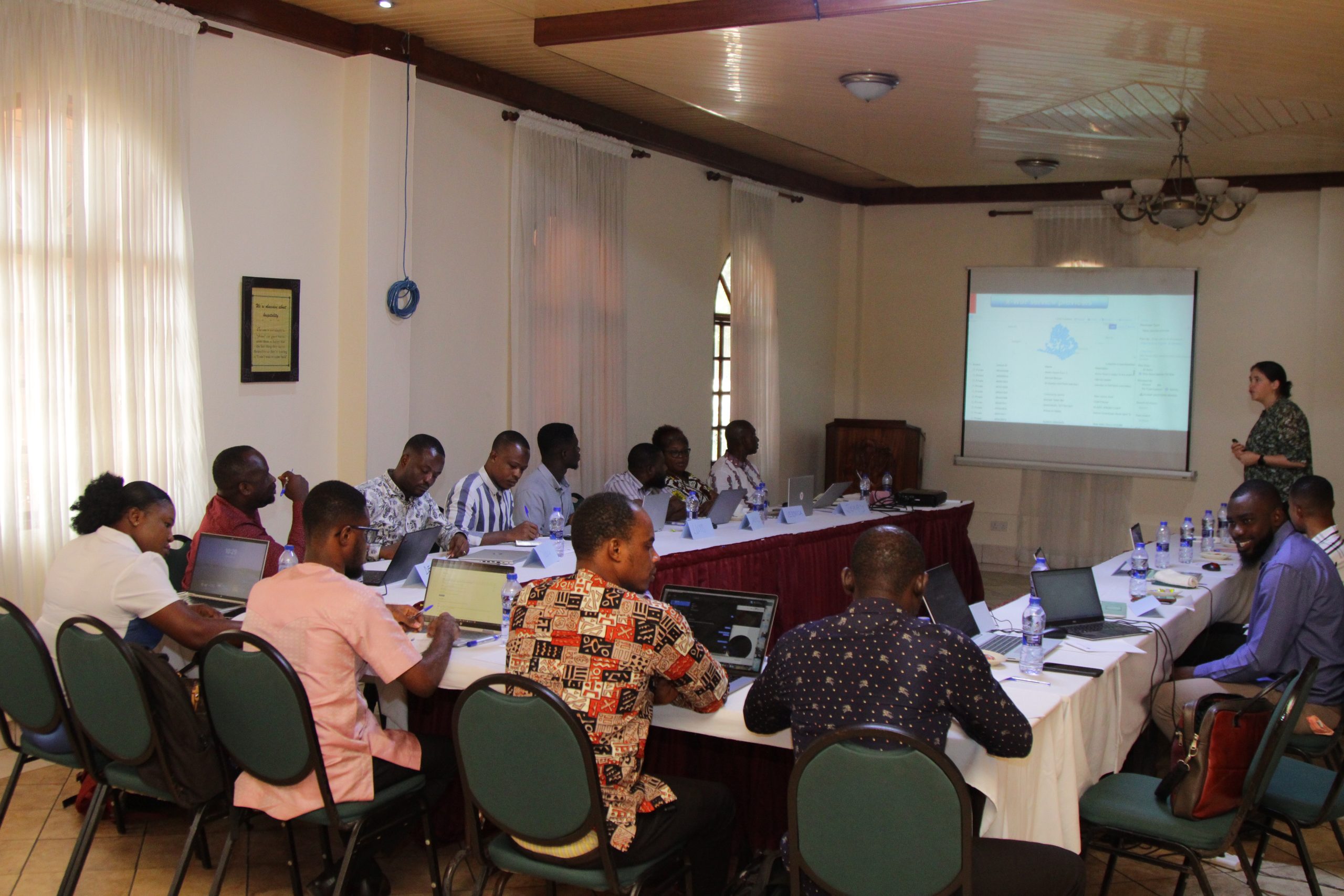
Strengthening Data Skills to Improve Rural Water Service Delivery https://washghana.org/strengthening-data-skills-to-improve-rural-water-service-delivery/ Fri, 05 Dec 2025 08:27:49 +0000 https://washghana.org/?p=8199 On the 2nd and 3rd of December, IRC hosted a capacity-building workshop for staff of the Community Water and Sanitation Agency (CWSA), aimed at strengthening the use of data to improve planning, monitoring, and decision-making in Ghana’s rural and small-town water sector.

The training, organised under the Rural Water Utilitisation Project (RWUP), brought together regional and national CWSA officers to build practical skills in data collection, analysis, and visualization using the mWater digital platform. The initiative is part of ongoing efforts to support Ghana’s utility reform and ensure more efficient and sustainable water service delivery.

Opening the workshop, facilitators emphasised that data is not only a technical resource but a practical tool used daily to make decisions, from financial planning and time management to navigation and health monitoring. Participants were encouraged to view data as an everyday asset that can equally transform how water services are planned and managed at district, regional, and national levels.

The training builds on extensive service monitoring carried out in the Western Region between 2022 and 2023, where thousands of water facilities, including handpumps, standpipes, and piped schemes, were mapped in collaboration with the Ghana Statistical Service. While the data collection phase has been completed and reports published, facilitators noted that limited dissemination and use of the data had reduced its impact, particularly at the district level.

Workshop session in progress 

To address this gap, the workshop focused on enabling CWSA staff to independently access, interpret, and use the data for routine planning and performance monitoring. Participants were introduced to dashboards, maps, and data consoles that can present complex information in simple visual formats for decision-makers, including district assemblies and service providers.

According to IRC, each district will be supported in developing its own data console, alongside a consolidated regional and national view. This approach is expected to improve transparency, support evidence-based investments, and help track progress toward universal access to safe water services.

The workshop also highlighted lessons from other regions, where similar data systems have informed district WASH master plans, guided annual performance reviews, and supported corrective action for underperforming water systems. Facilitators stressed that regular updating and active use of data are essential to sustaining these gains.

The Rural Water Utilitisation Project is implemented through a partnership involving IRC, CWSA, Safe Water Network, and other stakeholders, with funding support from development partners. The project aims to strengthen institutional capacity, improve operational efficiency, and promote sector learning as Ghana advances water sector reforms.

Participants are expected to apply the skills gained during the training to support ongoing service monitoring, improve reporting, and ensure that investments in data collection translate into better water services for communities across the country.

]]>