Saha Global's professionalised model transforms rural water access in the Savannah Region
By RCN Ghana · 20 July 2026
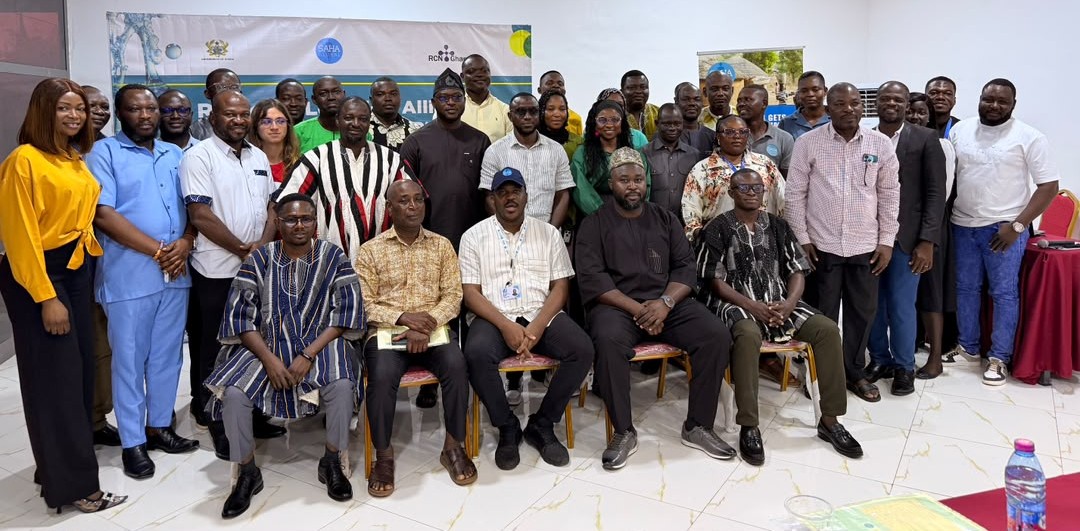
Saha Global is transforming access to safe drinking water in hard-to-reach communities across the Savannah Region through a professionalised water service delivery model designed to keep rural supply systems running long after they are built.
The organisation's model replaces the traditional volunteer-based approach to managing community water systems with a professional model that employs trained and paid local operators, supported by technical backstopping.
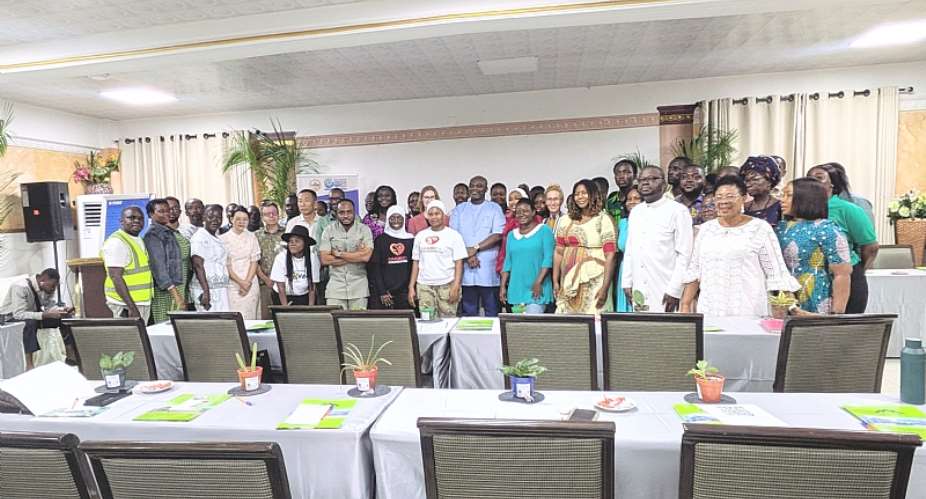
Lessons from this model were shared at the regional learning session convened by Saha Global in partnership with the Savannah Regional Coordinating Council and the Resource Centre Network (RCN). The session, led by Mr Jude Esang and Mr Francis Gbandan, Managers at Saha Global, drew government officials, development partners, civil society organisations, and WASH practitioners for discussions on sustaining rural water service delivery, and gave Saha Global a platform to present its operational and programmatic progress report for the first quarter of 2026 in the region.
At the session, Mr Theo Boateng, Director of Strategy and Partnerships at Saha Global, said the approach had improved operational efficiency, strengthened accountability, and ensured that rural communities enjoyed reliable access to safe drinking water throughout the year.
He acknowledged that revenue from the sale of water in small, dispersed rural last-mile communities would not fully cover the cost of delivering the service, leaving a financing gap that the sector needed to confront. He said, however, that the answer was not a return to unpaid volunteer management, but the development of innovative and sustainable financing mechanisms to bridge that gap.
He drew a parallel with the government's role in subsidising health care, arguing that safe water provision was equally central to health and deserved the same deliberate investment. He stated the operational data clearly showed how professionally managed rural water systems could deliver high-quality, sustainable services.
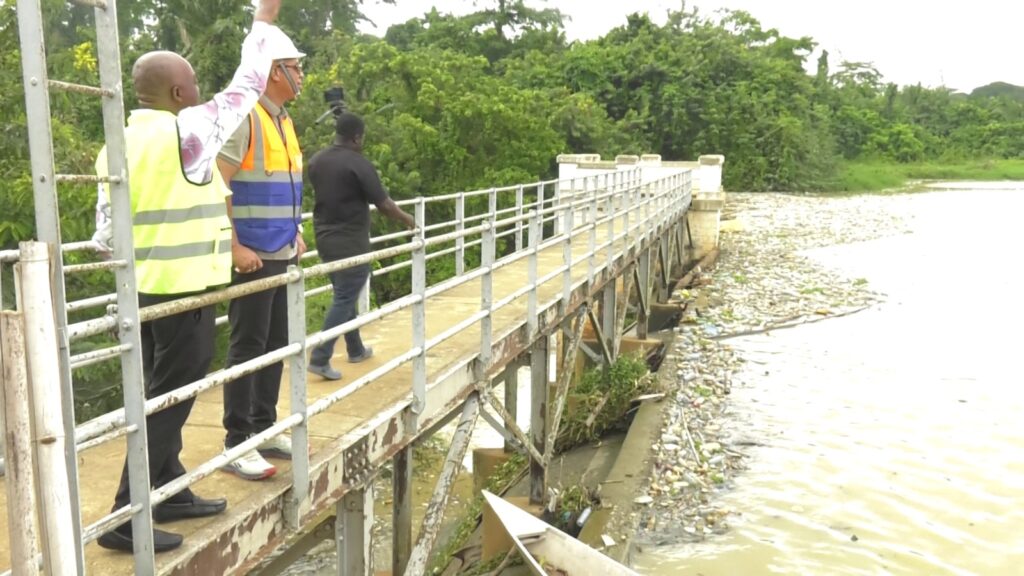
Mr Blessing Gbandan, Stakeholder and Government Relations Manager, said Saha Global was going beyond water provision to strengthen communities' resilience to climate change through its dugout rehabilitation programme, which restores critical surface water sources so they can withstand prolonged dry seasons. The rehabilitated dugouts, he explained, had greater storage capacity, reinforced embankments and improved catchment systems that retained water through the dry season, easing the recurring shortages faced by vulnerable communities. He added that the dugouts were integrated into Saha Global's Simple Surface Water Treatment System, allowing communities without accessible groundwater to secure year-round safe drinking water and reduce their reliance on unsafe sources.
On progress, Mr Gbandan disclosed that rehabilitation works at Kanjiyili in the North East Gonja District had been completed, with the first water storage achieved in March. Works had resumed at Yakura following the resolution of a land boundary dispute, he said, while construction had begun at Balamposo in the Central Gonja District.
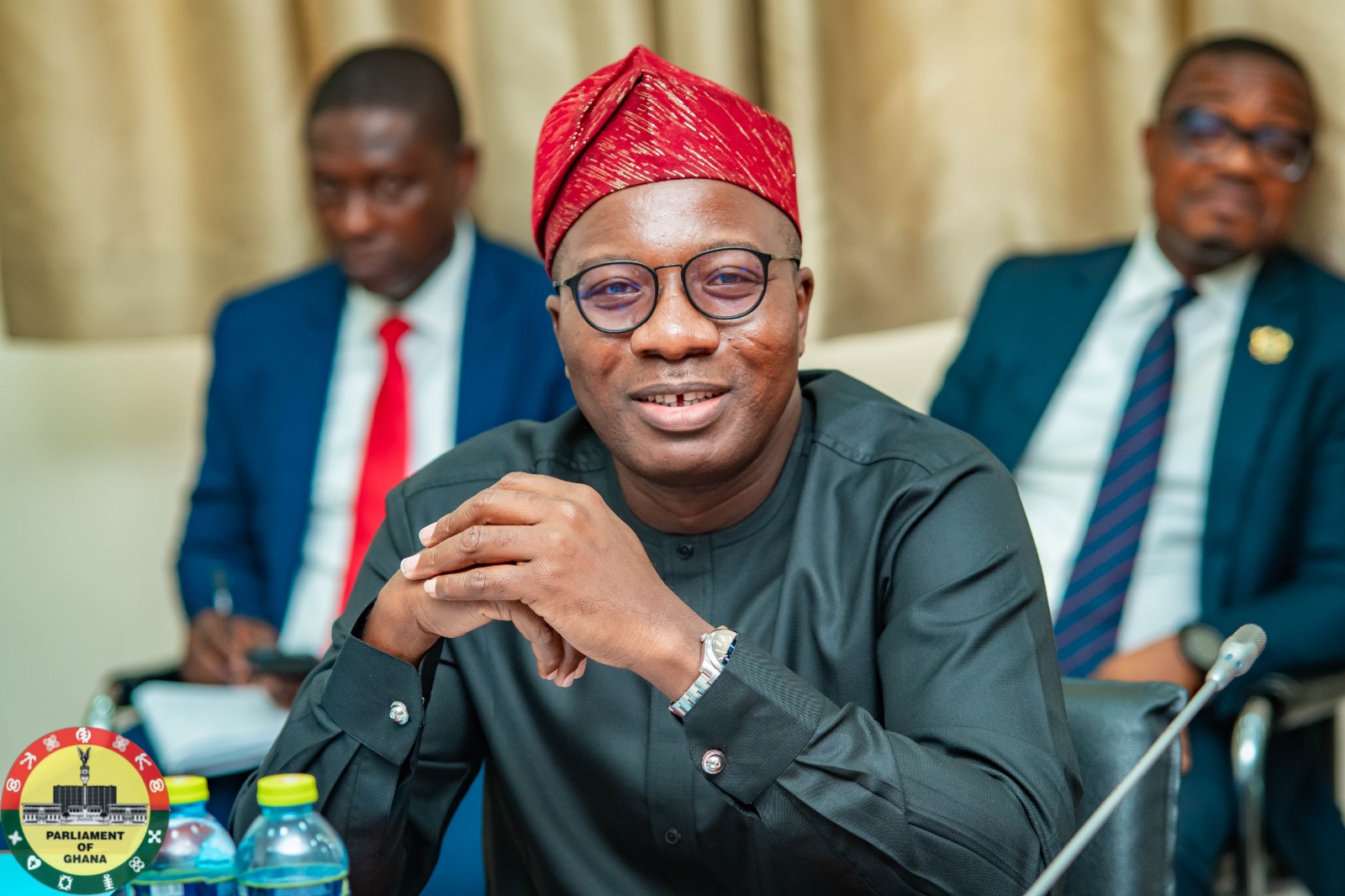
Honourable Salisu Be-Awuribe, Savannah Regional Minister, who chaired the session, commended Saha Global for complementing government efforts to improve access to potable water in underserved communities. Drawing from his own experiences growing up without access to safe water, he emphasized the critical need for safe water in hard-to-reach communities. He called on the District officials to prioritize water system management stating that drilling new systems, without focusing on management, will lead to eventual breakdown and a waste of investment. Good management is therefore key to sustaining water service delivery.
He also added the organisation's interventions were improving livelihoods, enhancing climate resilience and contributing significantly to socio-economic development across the Savannah Region. Mr Emmanuel Mensah, Research Scientist at the CSIR-Water Research Institute, described Saha Global as a model of professionalism in rural water service delivery and urged the organisation to sustain its interventions while strengthening collaboration with stakeholders to expand access to safe, reliable and climate-resilient water services for rural communities across the country.
Saha Global's professionalised model transforms rural water access in the Savannah Region