WASH Publications
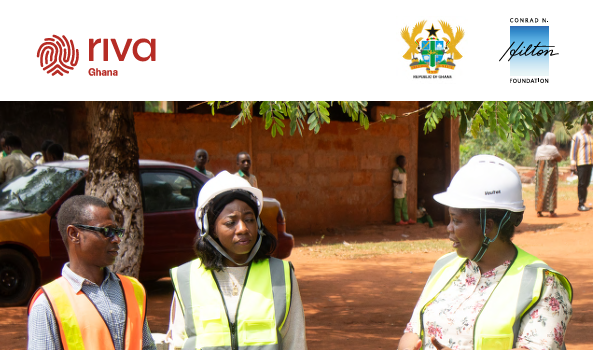
Operations and Maintenance (O&M) Framework for Rural and Small-Town Water Supply Systems in the Ahafo Region
The Framework was developed through a consultative process involving desk review, stakeholder interviews, and field consultations to ensure that it reflects both sector evidence and implementation realities.
21 Sep 2026
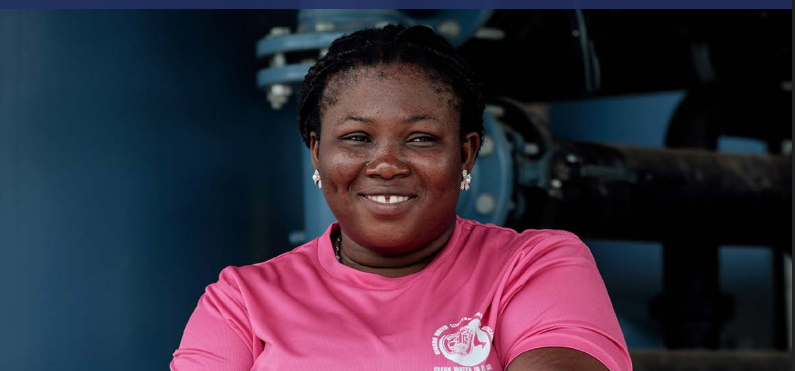
Study on formalising relationships between CWSA, private operators, WSMTs and other actors
Access to water supply in rural communities and small towns in Ghana has risen from 27% in 1990 to 62% in 2022, while contributing to improvement in water-related sanitation and hygiene. However, the programme was fraught with significant challenges.
25 Feb 2026
GLAS 2025
This summary presents the key findings from the UN-Water Global Analysis and Assessment of Sanitation and Drinking-Water (GLAAS) 2025 report. It highlights the current state of drinking-water, sanitation and hygiene (WASH) systems, shares examples where there are signs of progress, identifies critical gaps and points towards areas where greater efforts can bolster implementation and performance to achieve national WASH policy goals and targets.
05 Feb 2026
Water and Climate (Rising risks for urban populations) compressed compressed
Water is vital to a city’s growth and stability and is the backbone to healthy societies, yet the threat of too much or too little water puts everything at risk.
06 May 2025
Professionalising water services in the rural water sub-sector of Ghana
In the heart of rural Ghana, the Community Water and Sanitation Agency (CWSA) has been championing the development and management of essential water infrastructure in rural areas and small towns since 1998. Established by the CWSA Act of 1998 (Act 564), the agency’s mandate is to facilitate the provision of safe water and related sanitation services to rural communities and small towns, coordinating all stakeholders and interventions under the direction of the National Community Water and Sanitation Programme (NCWSP)
07 Apr 2025
Rural Water Utilitisation Project; State of water services in the Western Region
The “Rural Water Utilitisation Project” (R-WUP) funded by the Conrad N. Hilton Foundation in Ghana, aims to expand the activities of the Community Water and Sanitation Agency (CWSA) as the leading public sector agency in rural Water, Sanitation and Hygiene (WASH) within the sub-sector. The objective is to facilitate the provision of safe water to Rural Communities and Small Towns through a decentralised Service Delivery Approach. To achieve this objective, CWSA in 2017, initiated a policy reform, to expand its mandate to include the management of piped water systems in rural areas, and thus, in effect become a rural utility
04 Mar 2025
Ghana Presidential WASH Compact 2024
Sanitation and Water for ALL, has a Global Framework of Action, and is an international partnership of national governments, donors, civil society organisations and other development partners working together to galvanise political commitments to increase global access to sanitation and water. SWA aims to raise the performance and effectiveness of the water and sanitation sector by working to enhance mutual accountability.
24 Nov 2024
Ghana WASH Sector Development Programme, 2021-2030
This document presents the following information: an overview of Ghana’s WASH status; key actors and their respective roles and responsibilities; the policy, institutional, and legal framework; and the key challenges confronting sector performance. In addition, summaries of priority actions necessary to resolve key challenges in the sector are provided. This programme document serves as both an information pack and a guide on how to transform the WASH sector to achieve common national and international targets by 2030.
03 Jan 2023
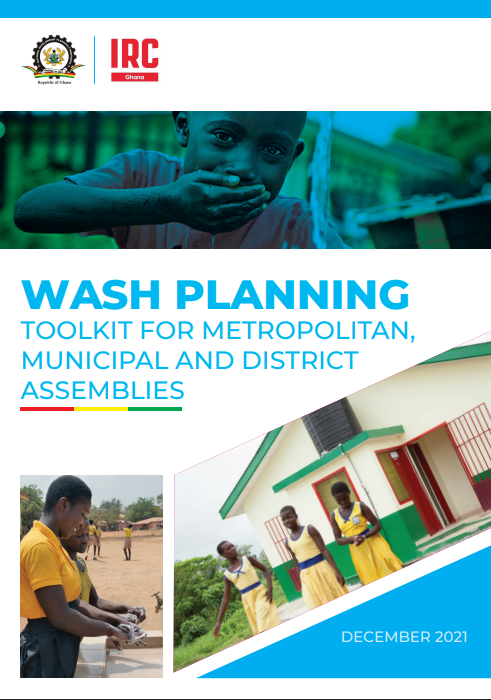
WASH TOOLKIT FOR METROPOLITAN MUNICIPAL AND DISTRICT ASSEMBLIS
The 2021 Housing and Population Census indicated that about 92.2 percent of households have access to improved water sources, with about 87 percent of the population having access to at least basic drinking water service (both safely managed and basic drinking water services). The main sources of water are sachet water, pipe-borne water, and borehole/tube wells. According to the 2018 Multiple Indicator Cluster Survey, approximately 76 percent of households are at risk of drinking water contaminated with faecal matter, which is a potential public health threat. In 2021, access to at least basic sanitation service stood at about 22 percent, and open defecation was estimated at 18 percent, while the proportion of the population practicing basic hygiene was 42 percent. In all cases, access to WASH services was higher in urban than rural areas.
25 Dec 2021
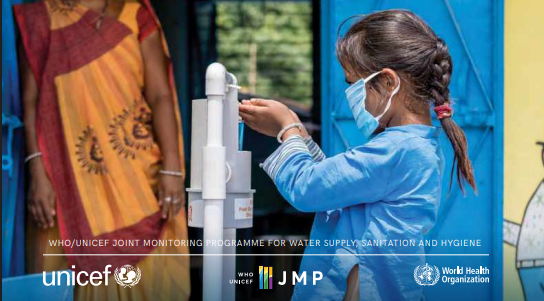
PROGRESS ON DRINKING WATER, SANITATION AND HYGIENE IN SCHOOLS
01 Oct 2020
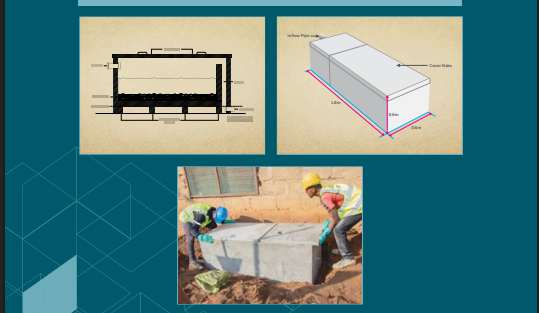
Bio-Digester Construction Manual (2020)
The bio-digester toilet technology is one of the fastest growing toilet options in urban Ghana. The use of bio-digesters has been given a boost by the World Bank-funded GAMA Sanitation and Water Project (2014-2020), which seeks to provide improved sanitation to low-income urban areas. Currently, bio-digesters are the predominant toilet technologies in the low-income communities within GAMA, with about 98 % of all constructed household toilets under the project being bio-digesters. The number of variants of the bio-digester has increased over the years, with different service providers providing different designs and configurations of the technology. This has necessitated the need for standardization through a construction manual.
08 Jun 2020
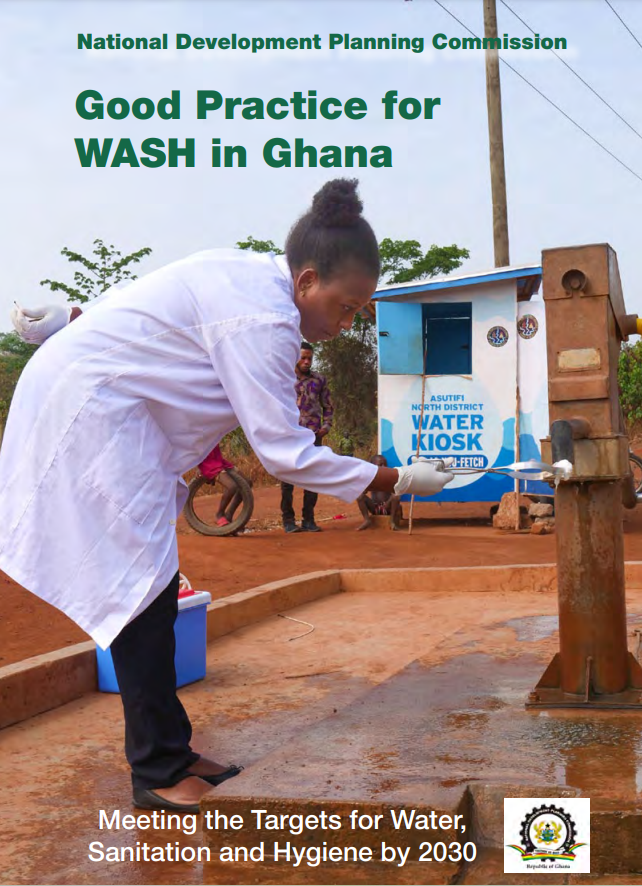
NDPC Good Practice for WASH in Ghana 2020
This booklet highlights experiences in three districts of Ghana, reflecting efforts to achieve the Sustainable Development Goal (SDG) for water, sanitation and hygiene (WASH). They represent examples from real-life about making progress towards the targets set by the Government. These ‘best practice’ stories have been collected by the National Development Planning Commission (NDPC), which advises the President of Ghana on development strategies.
03 Jun 2020