
Guidelines on Core Components of Infection Prevention and Control Programmes at the National and Acute Health Care Facility Level
By WHO · 12 May 2025

Health care-associated infections (HAI) are one of the most common adverse events in care delivery and a major public health problem with an impact on morbidity, mortality and quality of life. At any one time, up to 7% of patients in developed and 10% in developing countries will acquire at least one HAI. These infections also present a significant economic burden at the societal level. However, a large percentage of HAI are preventable through effective infection prevention and control (IPC) measures.
More Other Publications
Africa Water Vision 2063 and Policy
Africa Water Vision 2063 and Policy — a WASH sector resource shared by RCN Ghana.
18 Feb 2026
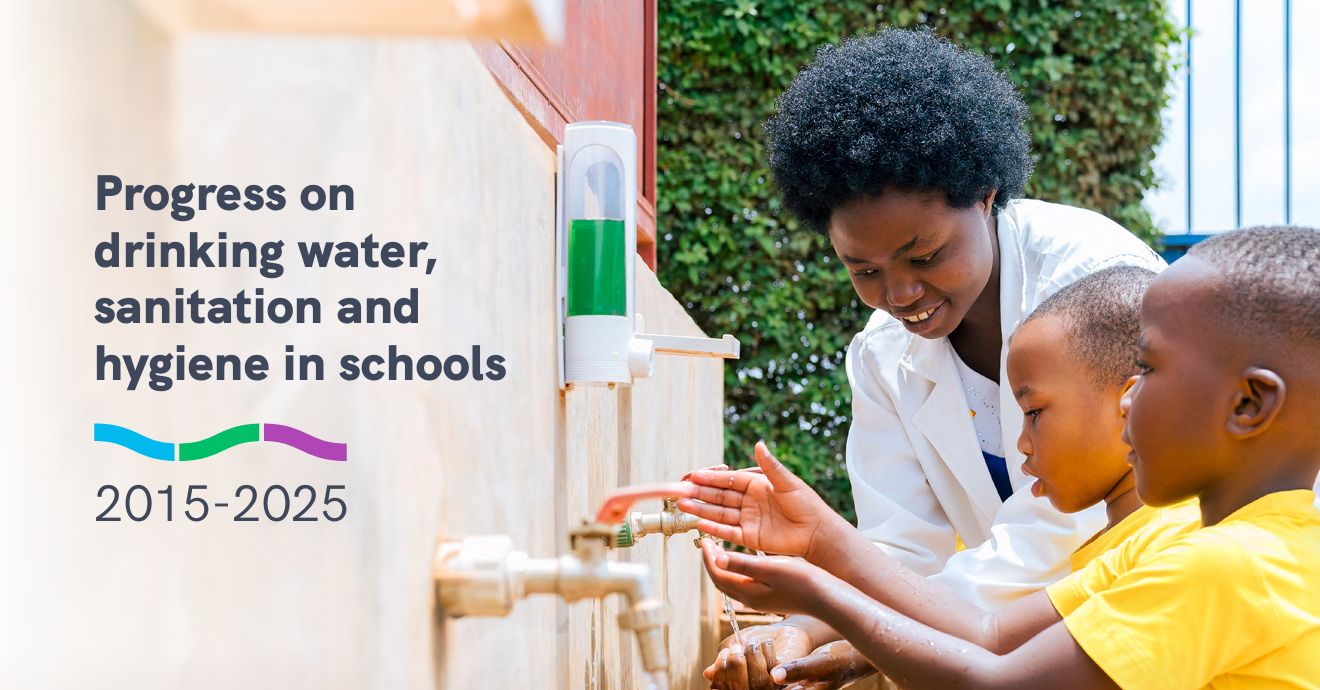
Progress on drinking water, sanitation and hygiene in schools 2015 - 2025
WHO/UNICEF joint monitoring programme for water supply, sanitation, and hygiene
01 Jan 2026
JMP 2024 WASH households launch
In 2024, the JMP released updated estimates for WASH in schools and WASH in health care facilities (2000–2023). This report presents updated national, regional and global estimates for WASH in households for the period 2000–2024.
17 Sep 2025
Guidance on preparing Water Service Delivery Plans
This manual is a guide on how to prepare a service delivery plan for small to medium-sized water utilities (supplying approximately 5,000 to more than 100,000 customers) in Africa and similar settings. It is intended for utilities operating in limited resource settings, and/or working with limited data and information. It is a useful reference for utilities embarking on developing their first water service delivery plan, and for those intending to improve their existing service delivery planning. This type of plan identifies the actions required and associated costs for achieving a defined level of water service delivery over a defined period.
01 Jan 2025