Study on formalising relationships between CWSA, private operators, WSMTs and other actors
By Riva Ghana · 25 February 2026

Access to water supply in rural communities and small towns in Ghana has risen from 27% in 1990 to 62% in 2022, while contributing to improvement in water-related sanitation and hygiene. However, the programme was fraught with significant challenges.
A key part of COM was the facilitation support provided by CWSA, as defined in Act 564. As a facilitator (as opposed to an implementer or operator) of rural water, sanitation and hygiene (WASH) services, CWSA prepared strategic investment plans for the rural water subsector and supported the Metropolitan, Municipal and District Assemblies (MMDAs) with activities such as preparing their WASH projects, sourcing investment finance, procuring contractor and consultant services, supervising the construction of facilities, engaging communities and educating them on good hygiene practices, training local Water and Sanitation Management Teams (WSMTs) to enable facility managers to deliver services sustainably, supporting with diagnosing major faults, and backstopping them in their management roles. Under the COM model, CWSA had no staff at facility level and communities took responsibility for managing their water services – mainly water points but also some limited mechanised schemes (LMSs), through volunteer WSMTs. Notionally, the WSMTs reported to the MMDAs, as their service authorities.
More WASH Publications
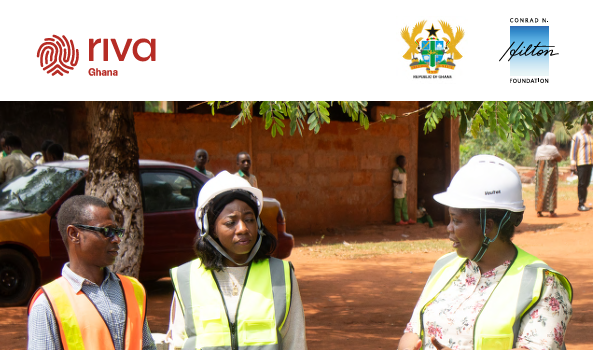
Operations and Maintenance (O&M) Framework for Rural and Small-Town Water Supply Systems in the Ahafo Region
The Framework was developed through a consultative process involving desk review, stakeholder interviews, and field consultations to ensure that it reflects both sector evidence and implementation realities.
21 Sep 2026
GLAS 2025
This summary presents the key findings from the UN-Water Global Analysis and Assessment of Sanitation and Drinking-Water (GLAAS) 2025 report. It highlights the current state of drinking-water, sanitation and hygiene (WASH) systems, shares examples where there are signs of progress, identifies critical gaps and points towards areas where greater efforts can bolster implementation and performance to achieve national WASH policy goals and targets.
05 Feb 2026
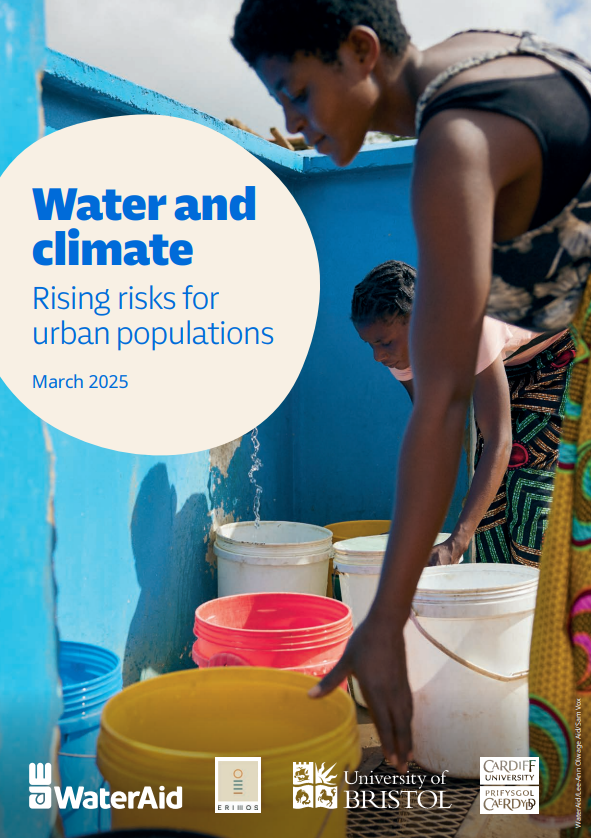
Water and Climate (Rising risks for urban populations) compressed compressed
Water is vital to a city’s growth and stability and is the backbone to healthy societies, yet the threat of too much or too little water puts everything at risk.
06 May 2025

Professionalising water services in the rural water sub-sector of Ghana
In the heart of rural Ghana, the Community Water and Sanitation Agency (CWSA) has been championing the development and management of essential water infrastructure in rural areas and small towns since 1998. Established by the CWSA Act of 1998 (Act 564), the agency’s mandate is to facilitate the provision of safe water and related sanitation services to rural communities and small towns, coordinating all stakeholders and interventions under the direction of the National Community Water and Sanitation Programme (NCWSP)
07 Apr 2025