

CONIWAS Engages Parliamentary Committee to Strengthen Accountability in Ghana’s WASH Sector
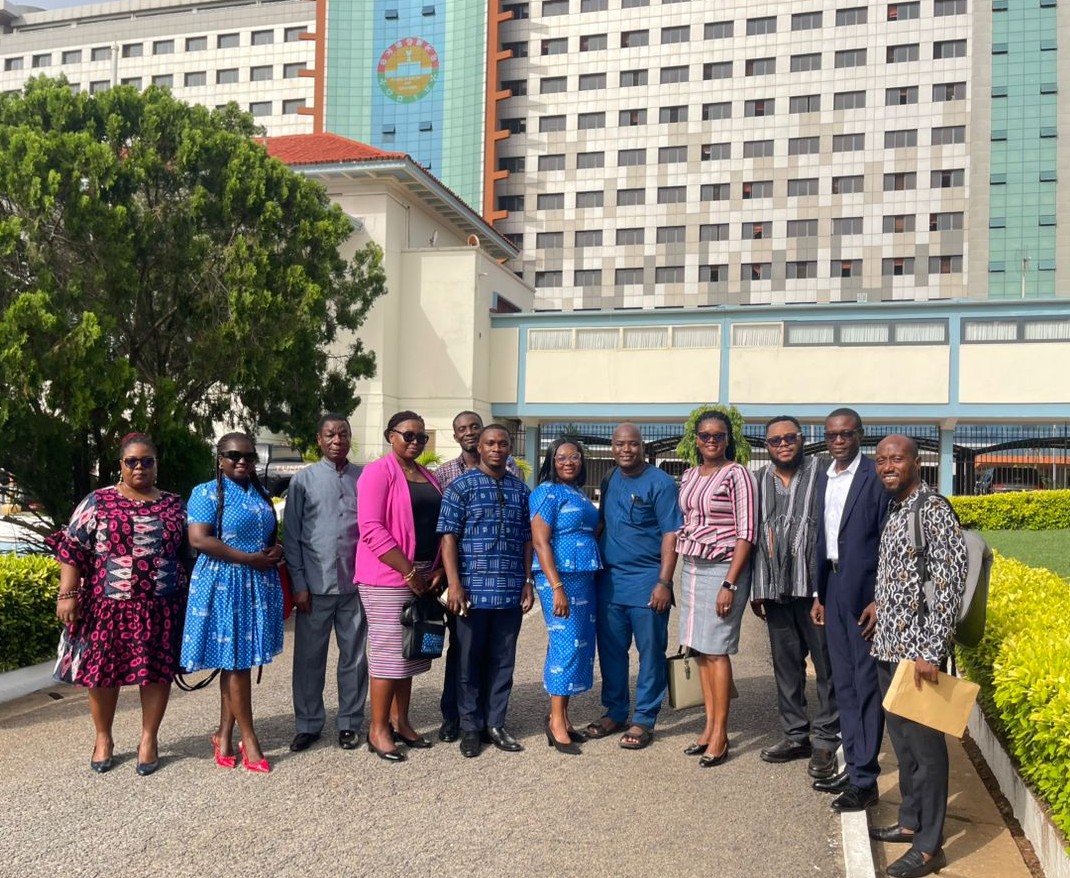
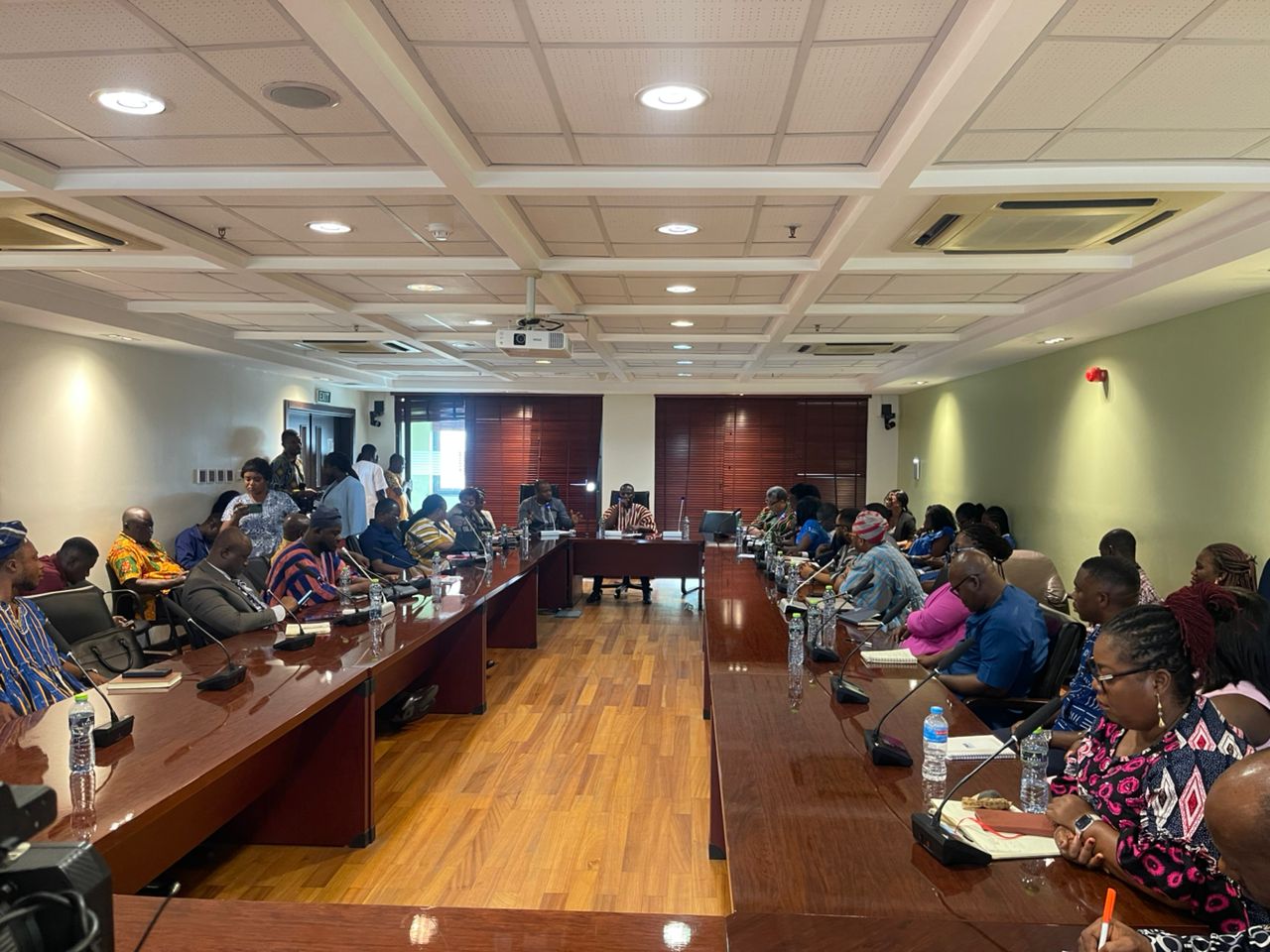
The Coalition of NGOs in Water and Sanitation (CONIWAS) has strengthened its collaboration with national policymakers following a strategic engagement with the Parliamentary Select Committee on Sanitation and Water Resources at Parliament House. The meeting, held on February 18, 2026, focused on accelerating key reforms and financing priorities within Ghana’s Water, Sanitation, and Hygiene (WASH) sector.
The session provided a formal platform for civil society to present evidence on sector challenges, propose regulatory reforms, and reinforce the need for structured cooperation between Parliament and non-state actors to ensure sustainable WASH outcomes.
Strategic Priorities Discussed
- Scaling Up WASH Financing
CONIWAS urged Parliament to champion increased and more strategic WASH financing during upcoming budget cycles, aligning national resource allocation with Ghana’s Presidential Compact target of approximately US$1.7 billion annually for WASH investments. Civil society emphasized that current sector allocations remain far below national investment needs, meeting only about 10% of required financing.
- Advancing a Comprehensive Water Services Act
The coalition called for the development and passage of a robust Water Services Act to harmonize regulatory responsibilities and eliminate overlapping mandates within the water sub-sector. This recommendation aligns with earlier parliamentary discussions on service delivery gaps involving the Ghana Water Company Limited and the Community Water and Sanitation Agency.
- Parliamentary Support for a National Sanitation Authority
The Committee reaffirmed strong support for the creation of a National Sanitation Authority (NSA) backed by a dedicated National Sanitation Fund—a reform also endorsed in recent civil society engagements. The Authority is envisioned to strengthen sanitation regulation, revenue generation, and structured compliance across the country.
- Fast‑Tracking the Revised Environmental Sanitation Policy
The Select Committee signaled readiness to support the timely approval of the Environmental Sanitation Policy once the revised version is submitted to Parliament.
- Strengthening Environmental Health Structures
CONIWAS advocated for upgrading Environmental Health Units at the district level into full departments to enhance enforcement capacity and professionalization of environmental health services.
- Monitoring District Assembly Common Fund Allocations
The coalition reiterated its commitment to tracking the use of the 20% District Assembly Common Fund (DACF) allocation for WASH, ensuring funds are used effectively for sanitation and water service improvements.
- Institutionalizing Civil Society–Parliament Dialogue
Both parties agreed to establish regular structured engagement between CONIWAS and the Select Committee to deepen accountability, ensure evidence-informed reforms, and maintain continuous feedback loops.
Data Spotlight: The Urgency for Reform
CONIWAS presented critical sector data that underscores the need for accelerated action:
- 87% of Ghanaians have basic water access.
- Only 42% benefit from safely managed water services—highlighting significant quality and reliability gaps.
- Open defecation stands at 18%, reflecting persistent sanitation challenges despite ongoing investments.
These findings align with national-level assessments shared during recent parliamentary engagements reviewing rural water service gaps and regulatory bottlenecks.
Next Steps: Technical Inputs Requested by Parliament
In a significant development, the Parliamentary Committee requested:
- A technical policy paper detailing the rationale, structure, and institutional placement of the proposed National Sanitation Authority, and
- A technical paper on a potential national sanitation levy, to guide parliamentary deliberations on future sanitation financing mechanisms.
This request signals Parliament’s openness to concrete, evidence-based reforms and its willingness to incorporate civil society input into legislative processes.
CONIWAS Reaffirms Commitment
The coalition reiterated its commitment to:
- Evidence-based advocacy
- Budget tracking and fiscal accountability
- Strengthening regulatory frameworks
- Ensuring equitable and sustainable WASH services for all Ghanaians
With momentum building and Parliament demonstrating renewed resolve, stakeholders say Ghana is at a pivotal moment for transformative WASH sector reform.