Annual sanitation losses estimated at GHS 6.2 billion – ISSER
By RCN Ghana · 15 March 2026
By Georgina Appiah Amponsah
There was a moment in the room when the conversation shifted. It was no longer just about the numbers. It became about structure, accountability and who is actually in charge.
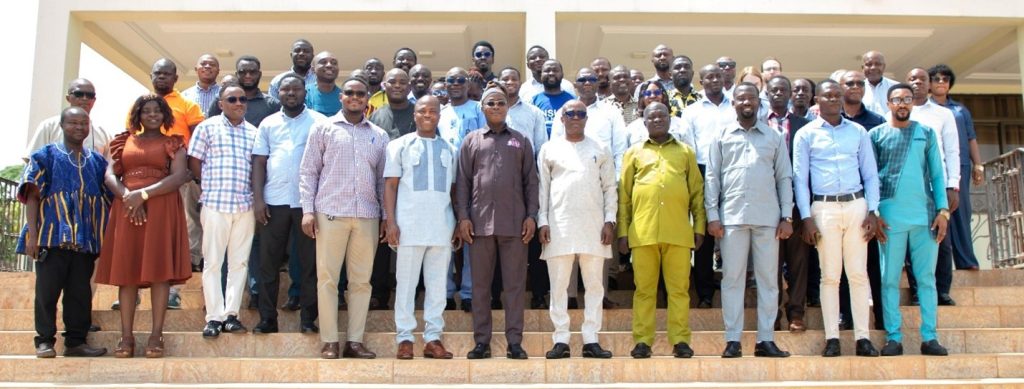
A high-level stakeholder engagement in Accra, convened by the Institute of Statistical, Social and Economic Research at the University of Ghana, ended with a strong and shared position: Ghana’s sanitation crisis requires a dedicated regulatory authority for the Water, Sanitation and Hygiene sector.
The call followed the presentation of a sobering study showing that Ghana loses more than GHS 6.2 billion annually to diseases linked to poor waste management and sanitation.
Cost of inaction
The research, led by Prof. Peter Quartey and Dr. Kwame Adjei-Mantey, titled An Economic Analysis of the Benefits of Adequate Investment in Waste Management and Sanitation in Ghana, laid bare the scale of the problem. Five sanitation-related diseases of malaria, cholera, pneumonia, typhoid fever and diarrhoea account for nearly 31.9 million lost workdays each year and an estimated 177,222 deaths.
Direct medical costs alone amount to about GHS 5.8 billion annually, with an additional GHS 650 million lost through reduced productivity. In simple terms, Ghana is spending far more dealing with preventable illness than it is investing in prevention.
Currently, the country spends an average of about GHS 38 per ton of waste generated. The researchers described this as disproportionately low when weighed against the public health and economic consequences.
The regulatory gap
But beyond the numbers, what dominated the discussions was fragmentation. Participants including policymakers, Members of Parliament, local government officials, development partners, civil society organizations and private sector actors repeatedly pointed to weak coordination and overlapping institutional mandates within the WASH space.
Some argued that sanitation continues to suffer because responsibility …
There was a moment in the room when the conversation shifted. It was no longer just about the numbers. It became about structure, accountability and who is actually in charge.
A high-level stakeholder engagement in Accra, convened by the Institute of Statistical, Social and Economic Research at the University of Ghana, ended with a strong and shared position: Ghana’s sanitation crisis requires a dedicated regulatory authority for the Water, Sanitation and Hygiene sector.
The call followed the presentation of a sobering study showing that Ghana loses more than GHS 6.2 billion annually to diseases linked to poor waste management and sanitation.
Cost of inaction
The research, led by Prof. Peter Quartey and Dr. Kwame Adjei-Mantey, titled An Economic Analysis of the Benefits of Adequate Investment in Waste Management and Sanitation in Ghana, laid bare the scale of the problem. Five sanitation-related diseases of malaria, cholera, pneumonia, typhoid fever and diarrhoea account for nearly 31.9 million lost workdays each year and an estimated 177,222 deaths.
Direct medical costs alone amount to about GHS 5.8 billion annually, with an additional GHS 650 million lost through reduced productivity. In simple terms, Ghana is spending far more dealing with preventable illness than it is investing in prevention.
Currently, the country spends an average of about GHS 38 per ton of waste generated. The researchers described this as disproportionately low when weighed against the public health and economic consequences.
The regulatory gap
But beyond the numbers, what dominated the discussions was fragmentation. Participants including policymakers, Members of Parliament, local government officials, development partners, civil society organizations and private sector actors repeatedly pointed to weak coordination and overlapping institutional mandates within the WASH space.
Some argued that sanitation continues to suffer because responsibility …
More News
Owabi 75% blocked, Barekese loses 40% capacity as siltation, plastics threaten water supply crisis
11 Apr 2026
View climate crisis as a water, sanitation and hygiene issue - WaterAid
30 Mar 2026

WaterAid’s “Time to Deliver”: Campaign Urges Immediate Action for Water in Ghana’s Health Facilities
20 Mar 2026