Fiscal decentralization for local service delivery of water, sanitation, and hygiene: the case of Ghana
By RCN Ghana · 27 March 2023
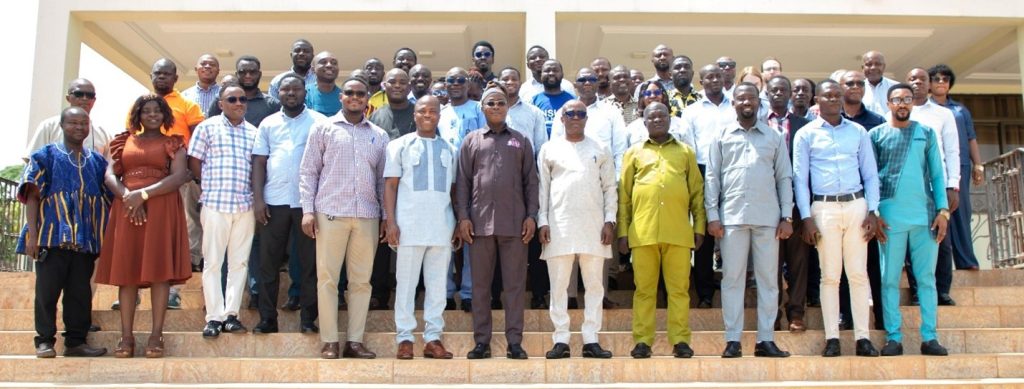
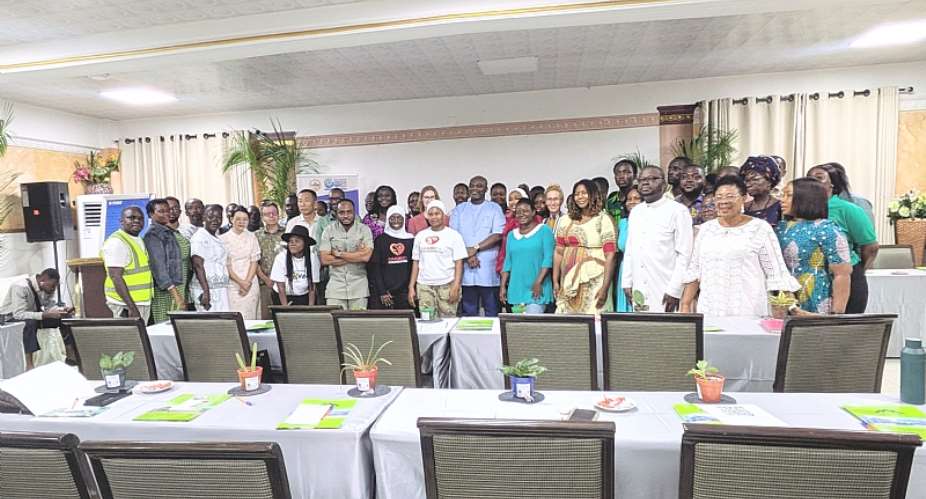
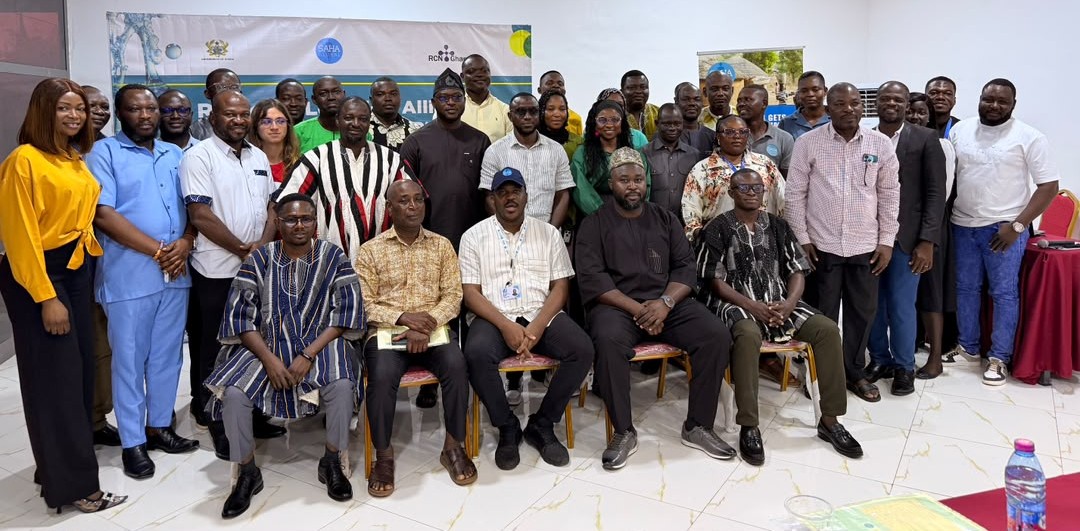
On 23rd of March 2023, WaterAid Ghana in collaboration with Resource Centre Network (RCN) Ghana held the 97th National Level Learning Alliance Platform (NLLAP) at the Coconut Grove Hotel in Accra on the theme, Fiscal decentralization for local service delivery of water, sanitation, and hygiene: the case of Ghana.
The session shared with stakeholders the findings of a six-country study on fiscal decentralization on WASH service delivery, including Ghana. One of the critical findings was the low priority and low funding for WASH activities in Ghana, particularly at the district level. The learning was for WASH stakeholders to accelerate advocacy to national and local governments as well as development partners to provide more funding to WASH activities to meet the WASH SDG six by 2030.
WaterAid Ghana led the discussions, and also shared findings of baseline study on system strengthening building blocks in Bongo.
The research findings covered sources of revenue, fiscal decentralization in WASH, case studies of Bongo and Ablekuma Assemblies, challenges of fiscal decentralization and advocacy issues.
In terms of sources of revenue to District Assemblies, the main revenue sources are:
Internal Generated Funds (IGF: Rates, fees, Licenses, Land and Royalties)
Central Government Transfers, with District Assembly
Common Fund (DACF)
District Performance assessment Tool (DPAT)/District
Development Fund (DDF)
Urban Development Grant, Mineral Development Fund
Transfers from line ministries. For example, Ministry of Health (MOH)
In terms of fiscal decentralization in WASH, there is no fiscal decentralization in urban water supply services- the Ghana Water Company Limited (GWCL), a public utility organization provides water to urban population with limited involvement of local authorities in planning, implementation, monitoring, evaluation, and reporting. No direct cash transfer goes to Districts for water service provision. In the rural and small peri-urban water sector where the …
The session shared with stakeholders the findings of a six-country study on fiscal decentralization on WASH service delivery, including Ghana. One of the critical findings was the low priority and low funding for WASH activities in Ghana, particularly at the district level. The learning was for WASH stakeholders to accelerate advocacy to national and local governments as well as development partners to provide more funding to WASH activities to meet the WASH SDG six by 2030.
WaterAid Ghana led the discussions, and also shared findings of baseline study on system strengthening building blocks in Bongo.
The research findings covered sources of revenue, fiscal decentralization in WASH, case studies of Bongo and Ablekuma Assemblies, challenges of fiscal decentralization and advocacy issues.
In terms of sources of revenue to District Assemblies, the main revenue sources are:
Internal Generated Funds (IGF: Rates, fees, Licenses, Land and Royalties)
Central Government Transfers, with District Assembly
Common Fund (DACF)
District Performance assessment Tool (DPAT)/District
Development Fund (DDF)
Urban Development Grant, Mineral Development Fund
Transfers from line ministries. For example, Ministry of Health (MOH)
In terms of fiscal decentralization in WASH, there is no fiscal decentralization in urban water supply services- the Ghana Water Company Limited (GWCL), a public utility organization provides water to urban population with limited involvement of local authorities in planning, implementation, monitoring, evaluation, and reporting. No direct cash transfer goes to Districts for water service provision. In the rural and small peri-urban water sector where the …