Ghana Charts Path to Universal WASH Access by 2030
By RCN Ghana · 14 August 2025
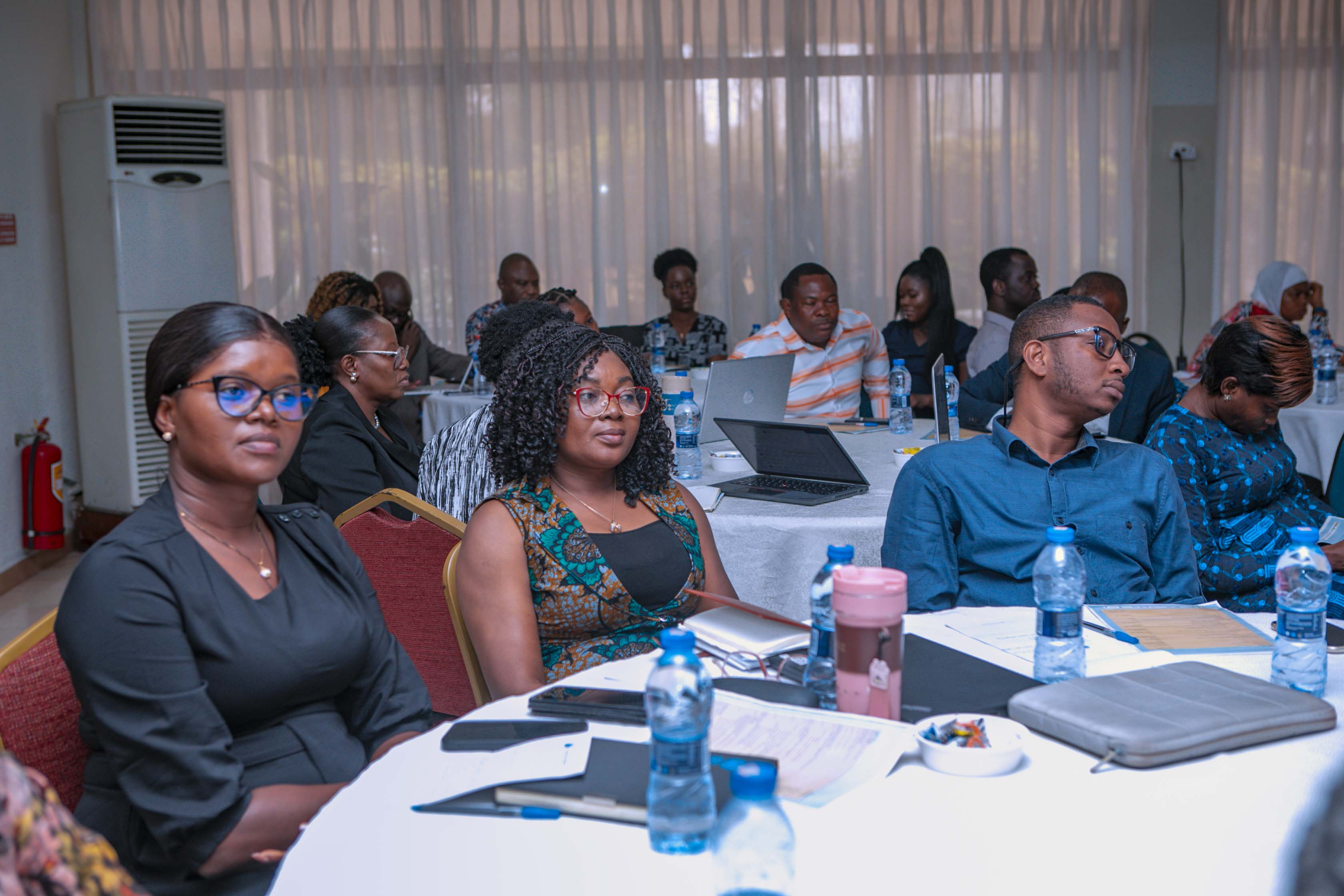
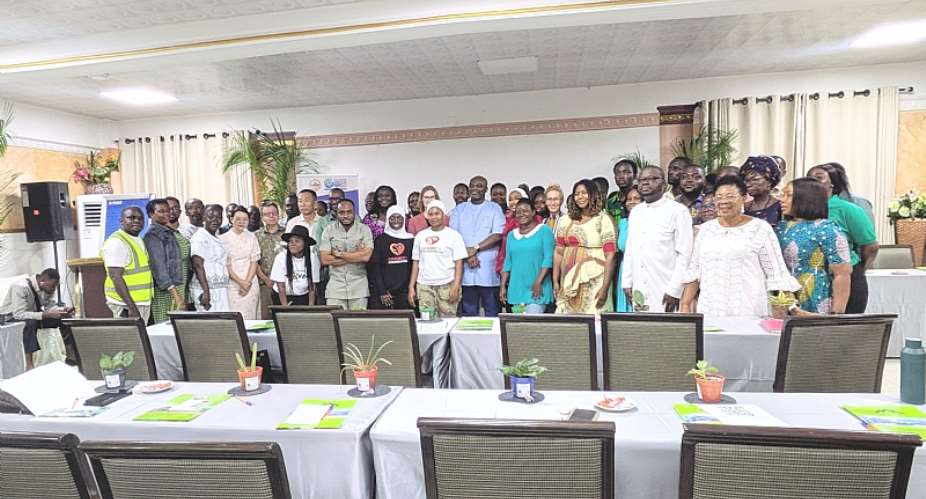
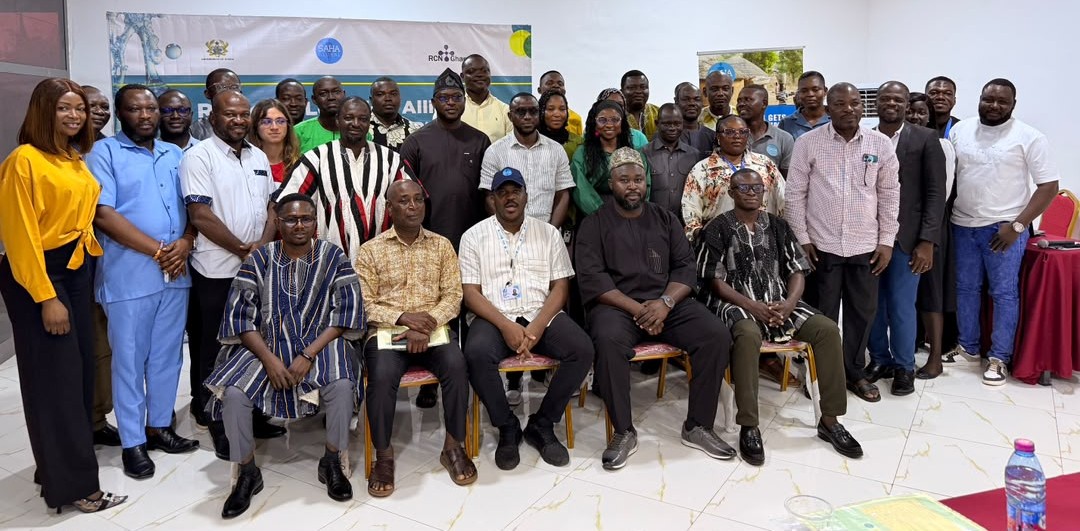
Organized by IRC Ghana, the National Development Planning Commission (NDPC), CONIWAS, WaterAid, and partner district assemblies, the exchange brought together government partners, development partners, civil society, and local leaders to assess progress, share lessons, and map a way forward toward achieving Sustainable Development Goal 6 (SDG 6).
Opening the session, Madam Vida Duti, IRC Systems Change Specialist, underscored the urgent need to address persistent service gaps, noting that millions still lack access to potable water and adequate sanitation. She highlighted cross-district learning and inclusive master planning as key strategies for universal service delivery.
In her keynote address, Ms. Audrey Amoah, Deputy Director-General of the NDPC, described WASH as one of the most cost-effective public health interventions, central to Ghana’s development in sectors such as health, education, trade, and agriculture. She called for strengthened collaboration and collective action, stressing that WASH is not only essential but also “a frontline defence against infectious diseases.”
A presentation by NDPC’s Patience Ampomah revealed mixed progress. While access to basic drinking water stands at 83.8% according to the 2022 Demographic and Health Survey, safely managed water remains at 44%. Open defecation has risen to 24.6%, and only 44.7% of households practice handwashing with soap. These gaps highlight the urgency of integrated planning, improved monitoring, and financing.
District-level updates showcased both achievements and challenges. Asutifi North, a pioneer of WASH master planning, reported progress through boreholes, mechanised schemes, and community-led sanitation, while Asutifi South, Asunafo North and South, Tano North and South, and Bongo District presented their tailored approaches to scale access. However, funding constraints, poor maintenance, and low sanitation coverage remain major hurdles.
Regional perspectives, such as from the Ahafo Region, demonstrated the scalability of district-wide master planning, while highlighting the need for sustainable domestic financing and stronger community ownership.
A major focus was the intersection of WASH and Neglected Tropical Diseases (NTDs). Health experts emphasised that poor sanitation and unsafe water drive conditions like yaws, Buruli ulcer, and schistosomiasis. Case studies from Upper Denkyira East and Bongo districts showed how WASH improvements directly reduce disease prevalence and improve community health outcomes. Panellists called for stronger integration of WASH and NTD interventions into district health plans and national priorities.
The exchange concluded with a call to transition from fragmented projects to holistic, fully costed district-wide master plans embedded in medium-term development plans. Stakeholders stressed the need for a robust national financing strategy, governance strengthening, professionalised maintenance, and accountability frameworks.
Despite challenges, participants agreed that Ghana now has a clear and replicable pathway, pioneered in Asutifi North and expanding across other districts, to make universal WASH access a reality by 2030.