Mainstreaming climate change into development planning
By RCN Ghana · 11 March 2026
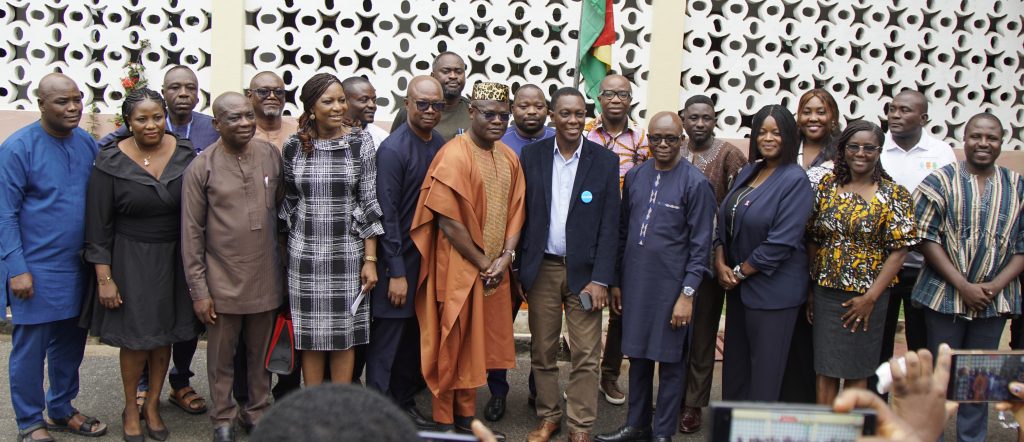
The need to mainstream climate change into development planning is particularly underscored by the fact that Ghana is already experiencing the adverse impacts of climate change. Recurrent drought, flood and climate induced diseases such as malaria and cerebrospinal meningitis in most parts of the country and the associated loss of property and lives can be ascribed to climate change. Relief and rehabilitation efforts have become a constant major drain on Ghana’s development drive.
The need to mainstream climate change into development planning is particularly underscored by the fact that Ghana is already experiencing the adverse impacts of climate change. Recurrent drought, flood and climate induced diseases such as malaria and cerebrospinal meningitis in most parts of the country and the associated loss of property and lives can be ascribed to climate change. Relief and rehabilitation efforts have become a constant major drain on Ghana’s development drive.
But much less attention has been paid to making development more resilient to climate change, its related disasters and impacts. Current efforts appear to be largely driven by emergency and hardly consider the long-term ripple implications on life and property.
It was emphasised at the Mole 21 that climate change should be considered and treated as one of the external factors that can have an intense direct or indirect consequence on WASH services delivery. And since WASH services delivery and poverty reduction were mutually dependent on each other, it was imperative to balance poverty reduction interventions with climate change adaptation strategies to maximise benefits, especially for local populations.
Presenting a paper on Integrating Climate Change into National Development Planning , Winfred Nelson of the National Development Planning Commission (NDPC) acknowledged that national development goals could be hampered by ignoring climate change and disaster risk reduction issues.
It is a truism that G…
The need to mainstream climate change into development planning is particularly underscored by the fact that Ghana is already experiencing the adverse impacts of climate change. Recurrent drought, flood and climate induced diseases such as malaria and cerebrospinal meningitis in most parts of the country and the associated loss of property and lives can be ascribed to climate change. Relief and rehabilitation efforts have become a constant major drain on Ghana’s development drive.
But much less attention has been paid to making development more resilient to climate change, its related disasters and impacts. Current efforts appear to be largely driven by emergency and hardly consider the long-term ripple implications on life and property.
It was emphasised at the Mole 21 that climate change should be considered and treated as one of the external factors that can have an intense direct or indirect consequence on WASH services delivery. And since WASH services delivery and poverty reduction were mutually dependent on each other, it was imperative to balance poverty reduction interventions with climate change adaptation strategies to maximise benefits, especially for local populations.
Presenting a paper on Integrating Climate Change into National Development Planning , Winfred Nelson of the National Development Planning Commission (NDPC) acknowledged that national development goals could be hampered by ignoring climate change and disaster risk reduction issues.
It is a truism that G…
More News
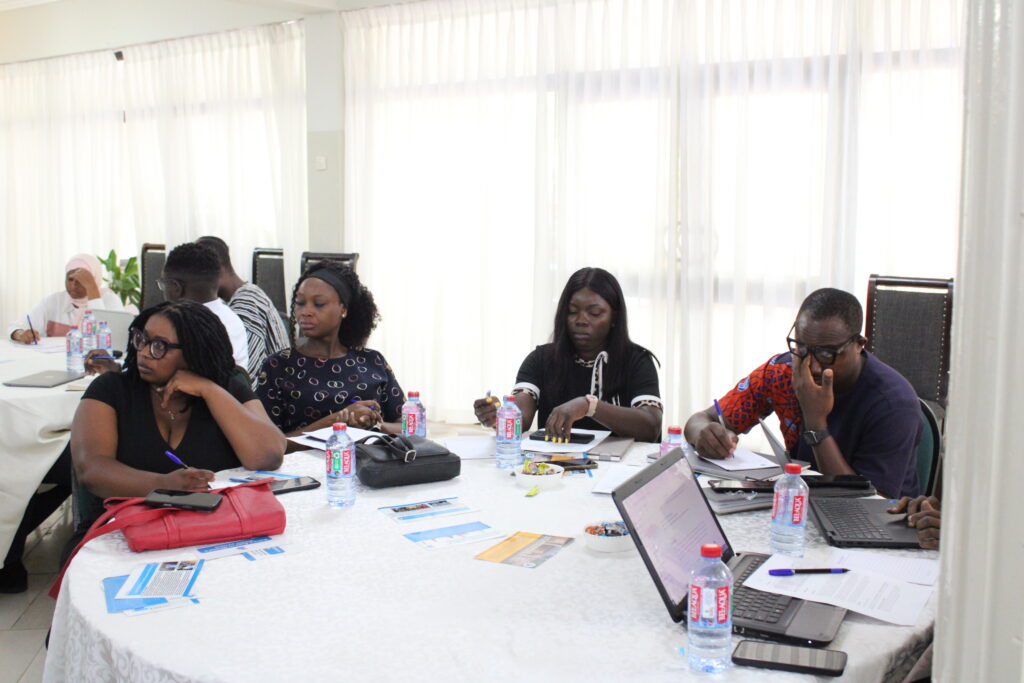
Owabi 75% blocked, Barekese loses 40% capacity as siltation, plastics threaten water supply crisis
11 Apr 2026
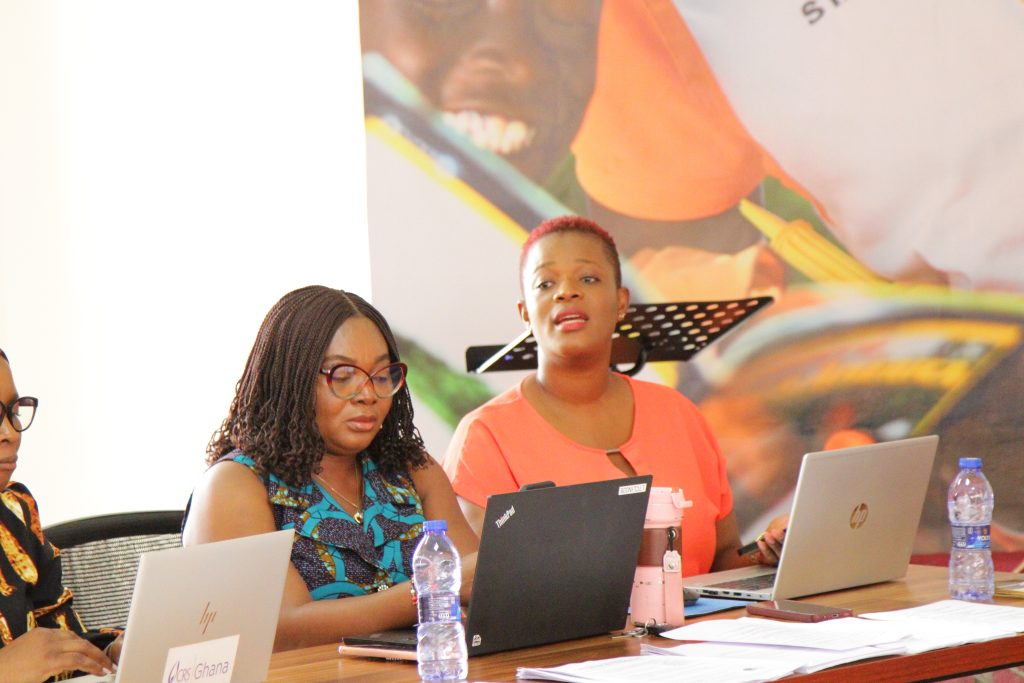
View climate crisis as a water, sanitation and hygiene issue - WaterAid
30 Mar 2026
WaterAid’s “Time to Deliver”: Campaign Urges Immediate Action for Water in Ghana’s Health Facilities
20 Mar 2026