NLLAP 105: Standards and Certification Scheme on Household Water Treatment Products in Ghana
By RCN Ghana · 26 November 2024

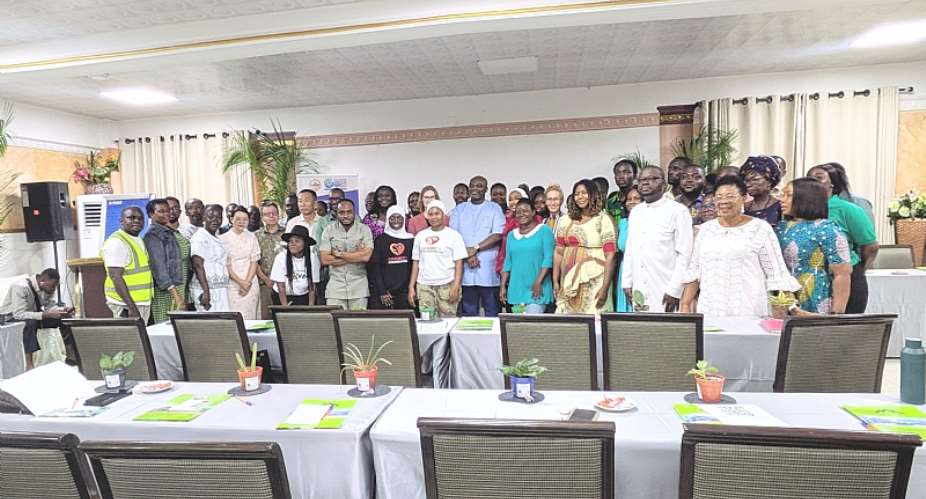
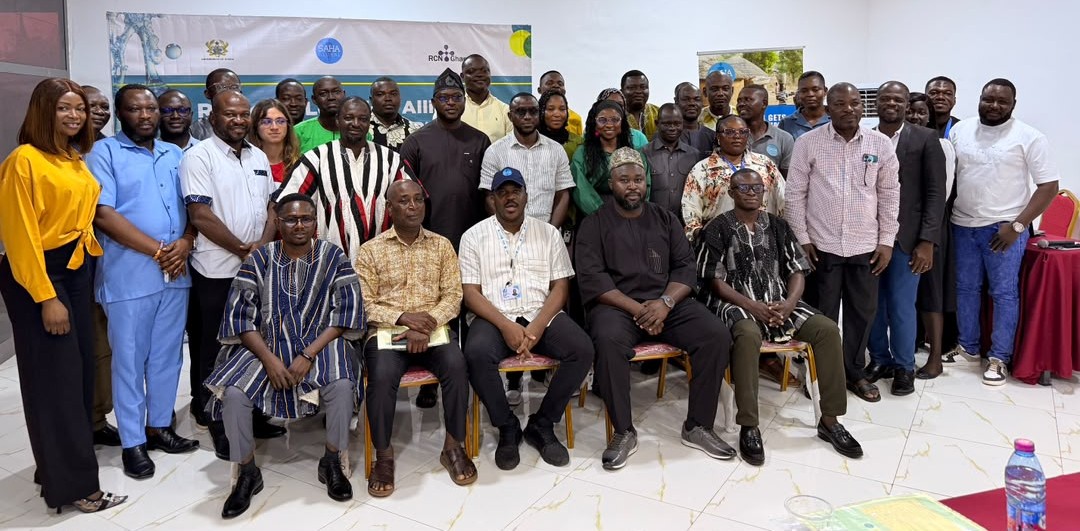
The Ministry of Sanitation and Water Resources (MSWR), in collaboration with the Resource Centre Network, is hosting a national level learning and sharing session on the Standards and Certification Scheme for Household Water Treatment Products (HWTP) . The event will take place on November 29, 2024, at the Coconut Grove Hotel, Accra, starting at 9:00 am.
This session aims to address the ongoing challenge of ensuring access to safe drinking water in Ghana, particularly in areas where access to treated water remains limited. Household Water Treatment Products (HWTPs) are pivotal in enhancing water quality at the point of use. However, variations in the effectiveness of these products underscore the need for standardized criteria to ensure safety and efficacy.
Global and National Context
Globally, access to safe drinking water is a cornerstone of the 2030 Sustainable Development Agenda, particularly under Sustainable Development Goal 6 , which emphasizes safely managed water services for all. In Ghana, efforts are guided by the National Strategy for Household Water Treatment and Safe Storage , established in 2014. The strategy aims to reduce waterborne diseases by promoting safe storage practices and adopting technologies like siphon filters, ceramic filters, and bio-sand filters by 2025.
To support these efforts, the Ghana Standards Authority (GSA), in partnership with the MSWR, WHO, and UNICEF, has developed comprehensive standards and certification schemes for HWTPs. These include:
GS 1331:2022 : Establishing performance requirements for pathogen removal in HWTPs.
GSA-PCM-STI-1331:2023 : Detailing testing and certification procedures for these products.
These standards are designed to ensure that HWTPs effectively remove harmful microorganisms, protecting public health and boosting consumer confidence in their use.
The session will engage diverse stakeholders, including government agencies, non-governmental organizations (NGOs), manufacturers, and the general public…