Stakeholders Urge Stronger Disaster Preparedness and Enhanced Emergency Response Efforts
By RCN Ghana · 05 November 2024
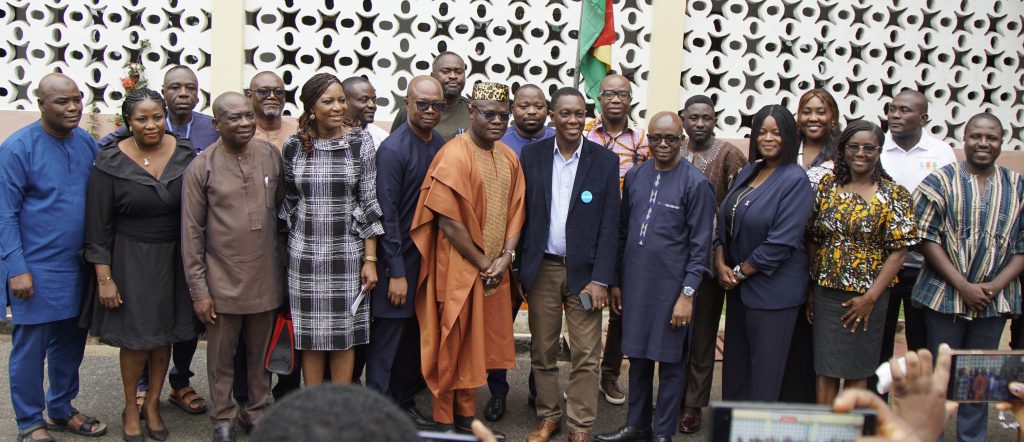
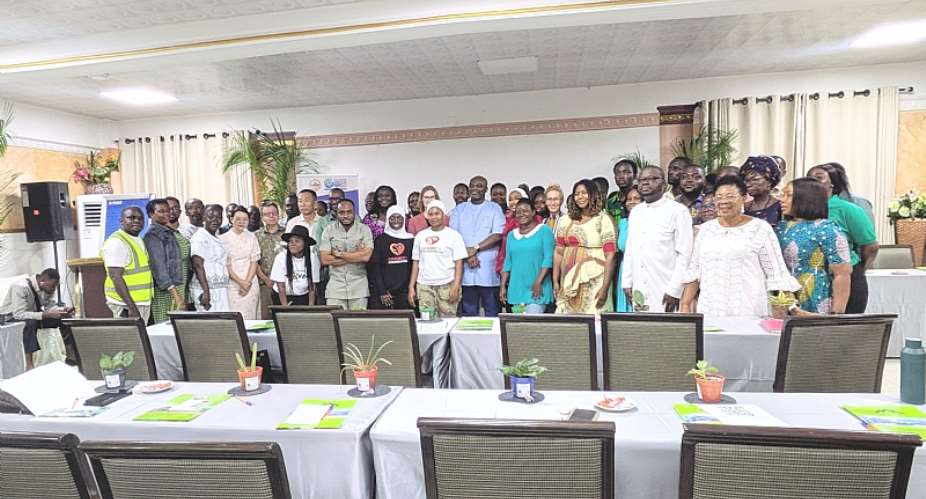
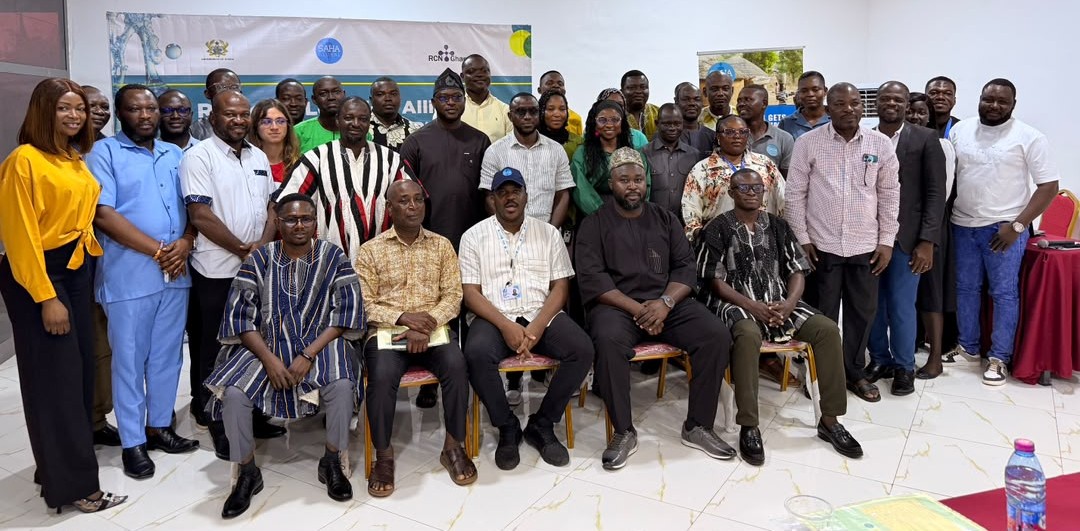
On October 31, 2024, The Ministry of Sanitation and Water Resources (MSWR) in collaboration with Resource Centre Network (RCN) hosted the 105th NLLAP event at the Coconut Grove Hotel. The session was aimed at addressing the aftermath of the recent spillages from Ghana's Akosombo Dams. Triggered by extreme rainfall in September 2023, the spillages led to widespread flooding, displacing thousands and disrupting communities along the Volta River. With over 35,000 individuals affected, the National Level Learning Alliance Platform workshop highlighted the need for effective disaster preparedness and enhanced emergency response efforts to support vulnerable communities.
The workshop brought together representatives from government agencies, NGOs, and community groups to share insights, discuss challenges, and coordinate relief efforts. Notable participants included UNICEF, the Ministry of Sanitation and Water Resources (MSWR), the Volta Regional Coordinating Council, CONIWAS, and other relief organizations.
Esi Boni-Morkla of the MSWR presented on the spillage's background, explaining how high water levels in the dams prompted controlled releases that, despite early warnings from the Volta River Authority, severely impacted communities. Immediate relief efforts involved daily food supplies, mobile sanitation facilities, and rapid water system restoration. Yet, the crisis underscored the need for robust planning and improved early warning systems.
A second presentation from the Volta Regional Environmental Health Officer outlined post-spillage interventions led by UNICEF and local health authorities. In collaboration with the Regional Inter-Agency Coordinating Committee on Sanitation, efforts included distribution of hygiene kits, establishment of mobile clinics, and public health education. Despite these efforts, overcrowded shelters, inadequate sanitation, and health risks remain pressing issues.
Panel Discussion and Recommendations:
Panelists from various organizations…