Strengthening WASH Systems Through Collaboration
By RCN Ghana · 12 May 2025
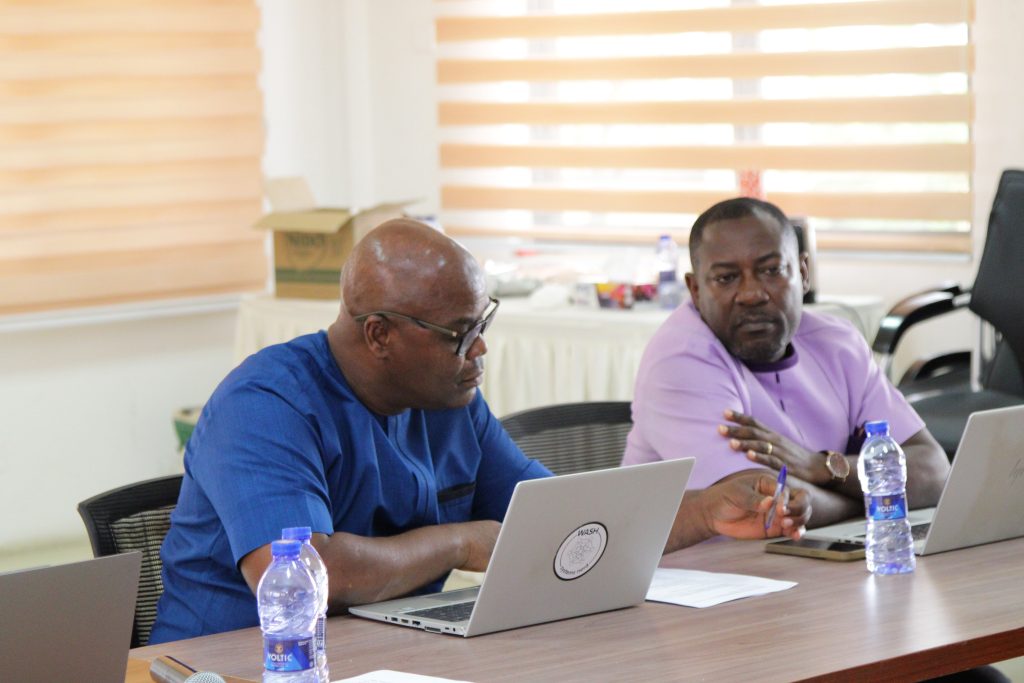
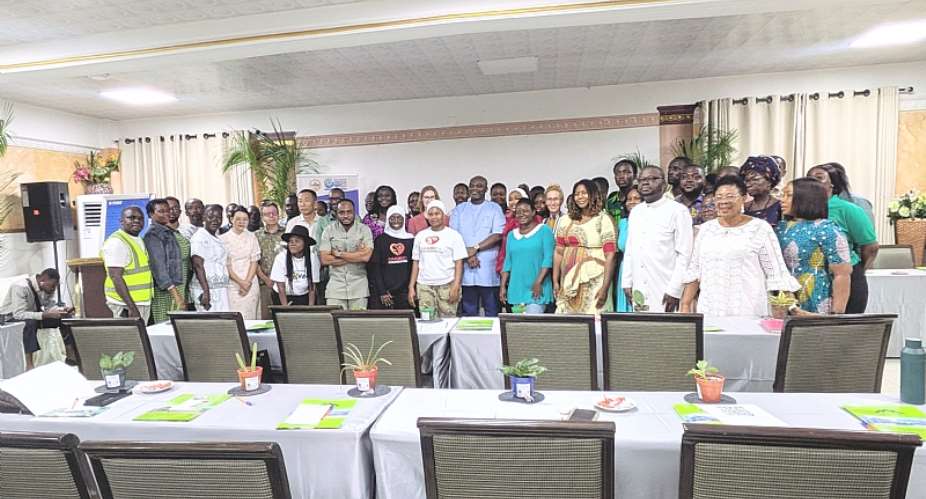
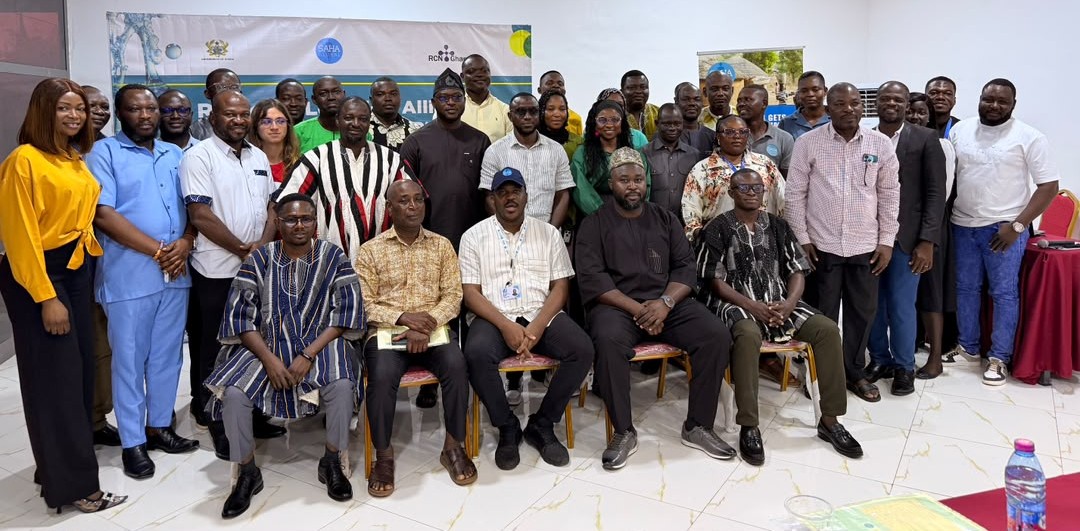
On 9 th May 2025, the Agenda for Change (A4C) Ghana partnership convened a comprehensive review meeting aimed at assessing the effectiveness of key WASH initiatives implemented under its framework.
The review spotlighted several flagship initiatives, including SWAG-PACS (Strengthening WASH Systems in Ghana) , which revealed persistent funding disparities and financial management challenges in rural WASH service delivery. Stakeholders expressed concern over insufficient funding allocations to rural communities, noting that inconsistent financial practices have made it difficult to track expenditures and ensure transparency.
A parallel forum, themed “WASH Systems Watch,” further underscored governance issues in the rural water sector. Presentations and discussions revealed weak regulatory frameworks , characterized by poor compliance monitoring and coordination challenges , with fragmentation among stakeholders leading to operational inefficiencies and duplication of efforts.
Another focal point was the Ghana WASH Systems Performance Assessment , which provided a data-driven evaluation of national WASH system performance. The assessment identified critical issues, including resource mismanagement and weak enforcement of environmental regulations , contributing to water contamination and scarcity in vulnerable areas. Moreover, it highlighted significant disparities in access to safe water , especially affecting remote and underserved rural populations.
Agenda for Change collaborators
To build climate resilience within WASH systems, the Climate Resilience WASH Capacity Development Training was also reviewed. This capacity-building program reached over 50 participants from government institutions, NGOs, and community organizations. Despite its success, the initiative unveiled knowledge and engagement gaps. Many stakeholders lacked a clear understanding of how climate change affects WASH infrastructure , while limited community participation and resistance to change f…
The review spotlighted several flagship initiatives, including SWAG-PACS (Strengthening WASH Systems in Ghana) , which revealed persistent funding disparities and financial management challenges in rural WASH service delivery. Stakeholders expressed concern over insufficient funding allocations to rural communities, noting that inconsistent financial practices have made it difficult to track expenditures and ensure transparency.
A parallel forum, themed “WASH Systems Watch,” further underscored governance issues in the rural water sector. Presentations and discussions revealed weak regulatory frameworks , characterized by poor compliance monitoring and coordination challenges , with fragmentation among stakeholders leading to operational inefficiencies and duplication of efforts.
Another focal point was the Ghana WASH Systems Performance Assessment , which provided a data-driven evaluation of national WASH system performance. The assessment identified critical issues, including resource mismanagement and weak enforcement of environmental regulations , contributing to water contamination and scarcity in vulnerable areas. Moreover, it highlighted significant disparities in access to safe water , especially affecting remote and underserved rural populations.
Agenda for Change collaborators
To build climate resilience within WASH systems, the Climate Resilience WASH Capacity Development Training was also reviewed. This capacity-building program reached over 50 participants from government institutions, NGOs, and community organizations. Despite its success, the initiative unveiled knowledge and engagement gaps. Many stakeholders lacked a clear understanding of how climate change affects WASH infrastructure , while limited community participation and resistance to change f…