SWAp in the WASH sub-sector – Ugandan Experience Scares New Entrants
By RCN Ghana · 10 September 2010
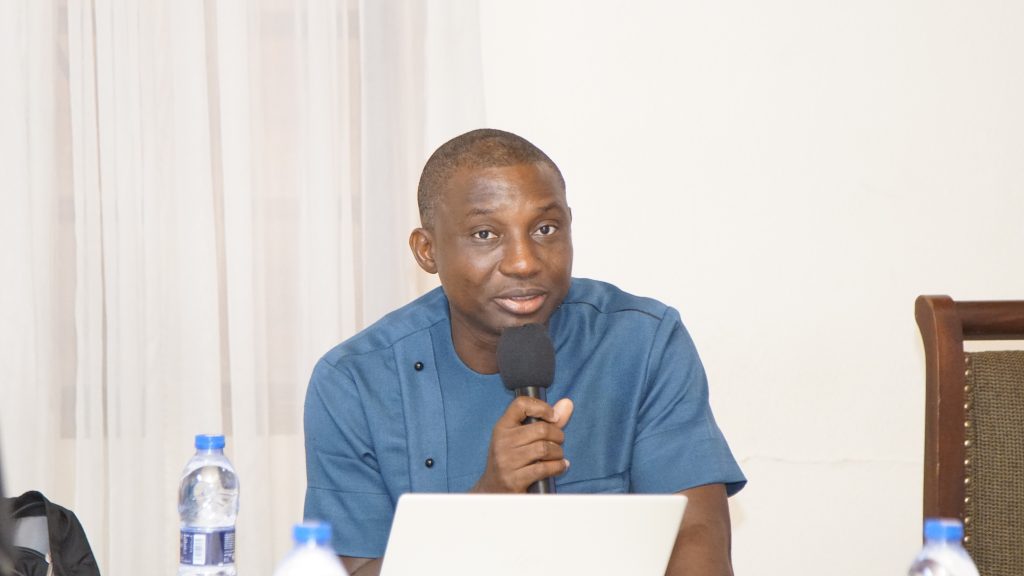
It seems that the Ugandan experience of the Sector Wide Approach to Planning (SWAp) in the Water and Sanitation sub-sector proved to be both an eye opener and a scare for WASH sector stakeholders from countries that are now making the effort to follow in Uganda’s footsteps.
It seems that the Ugandan experience of the Sector Wide Approach to Planning (SWAp) in the Water and Sanitation sub-sector proved to be both an eye opener and a scare for WASH sector stakeholders from countries that are now making the effort to follow in Uganda’s footsteps. “After listening to my Ugandan colleague, I wonder whether SWAp is still the best way forward” Mr. Aboagye Minta, the Director of Water at the Ministry of Water Resources Works and Housing (MWRWH) in Ghana remarked. This observation was made after Engineer Disan Ssozi of the Ugandan Ministry of Water and Environment (MWE) shared some of the Ugandan SWAp experiences in the water and sanitation sub-sector at the International Symposium on Rural Water Services. During the Symposium’s Harmonisation and Coordination session, Mr. Ssozi outlined some of the disadvantages of the harmonised and coordinated approaches used in the national SWAp and compared these with previous project-based approaches. Drawbacks included reduced innovative/new approaches; lack of staff motivation; diminished financial flows and slow procurement process. Indeed, according to Engineer Ssozi, greater efficiencies were reached under the previous project-based approach than under the present SWAp programme in which the Ugandan government plays the leading role.
He further outlined the challenges linked to inadequate sector financing and rapid decentralisation. The creation of new districts for example, poor district-based operations and water facility maintenance are all contributing to increases in the cost of service delivery. Engineer Ssozi did however underline some of the positive effects of the SWAp such as highlighting the need for better governance …
It seems that the Ugandan experience of the Sector Wide Approach to Planning (SWAp) in the Water and Sanitation sub-sector proved to be both an eye opener and a scare for WASH sector stakeholders from countries that are now making the effort to follow in Uganda’s footsteps. “After listening to my Ugandan colleague, I wonder whether SWAp is still the best way forward” Mr. Aboagye Minta, the Director of Water at the Ministry of Water Resources Works and Housing (MWRWH) in Ghana remarked. This observation was made after Engineer Disan Ssozi of the Ugandan Ministry of Water and Environment (MWE) shared some of the Ugandan SWAp experiences in the water and sanitation sub-sector at the International Symposium on Rural Water Services. During the Symposium’s Harmonisation and Coordination session, Mr. Ssozi outlined some of the disadvantages of the harmonised and coordinated approaches used in the national SWAp and compared these with previous project-based approaches. Drawbacks included reduced innovative/new approaches; lack of staff motivation; diminished financial flows and slow procurement process. Indeed, according to Engineer Ssozi, greater efficiencies were reached under the previous project-based approach than under the present SWAp programme in which the Ugandan government plays the leading role.
He further outlined the challenges linked to inadequate sector financing and rapid decentralisation. The creation of new districts for example, poor district-based operations and water facility maintenance are all contributing to increases in the cost of service delivery. Engineer Ssozi did however underline some of the positive effects of the SWAp such as highlighting the need for better governance …
More News
Owabi 75% blocked, Barekese loses 40% capacity as siltation, plastics threaten water supply crisis
11 Apr 2026
View climate crisis as a water, sanitation and hygiene issue - WaterAid
30 Mar 2026
WaterAid’s “Time to Deliver”: Campaign Urges Immediate Action for Water in Ghana’s Health Facilities
20 Mar 2026