Transforming Rural Water Services in Ghana: A Collaborative Approach
By RCN Ghana · 29 March 2024
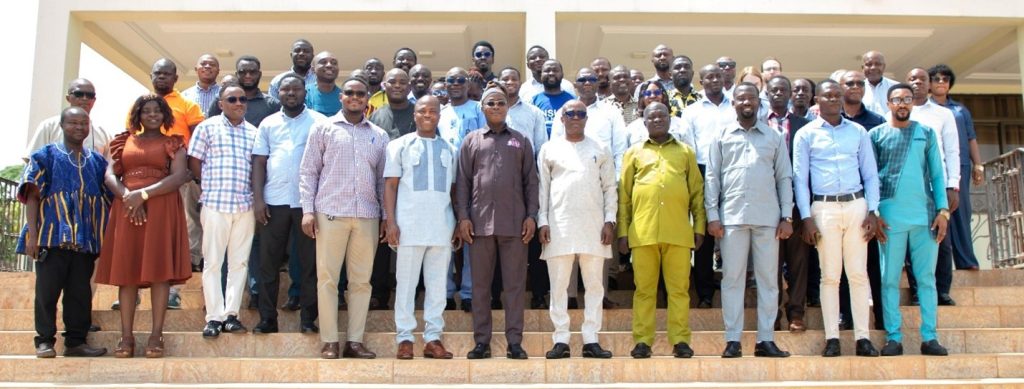
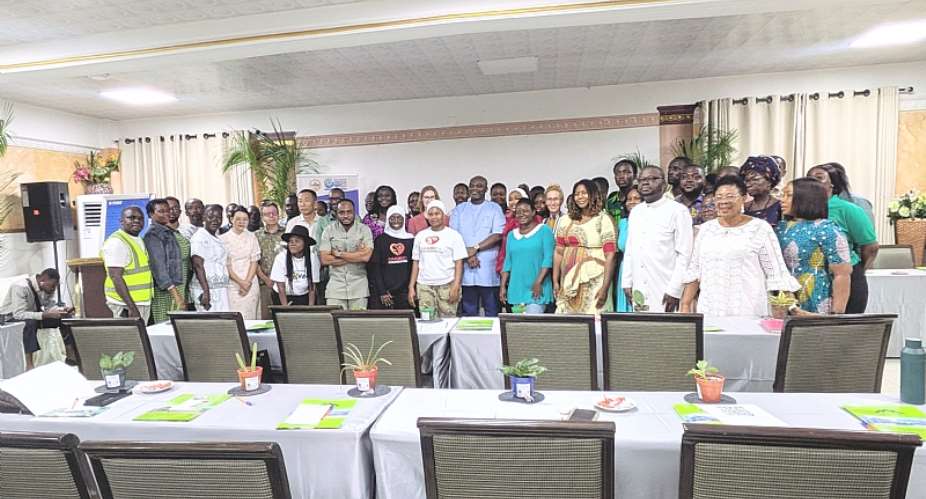
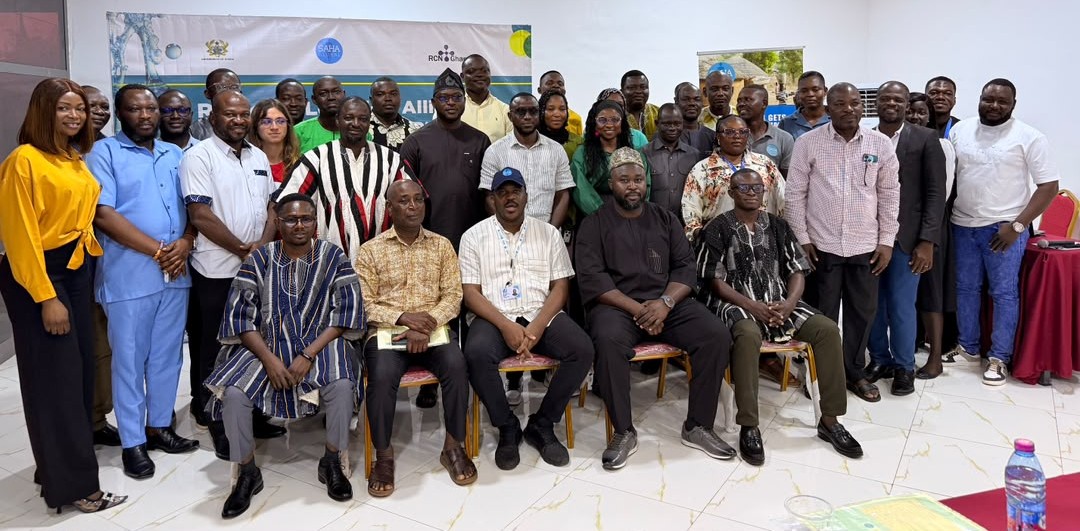
On the 26 th of March 2024. IRC in collaboration with the Resource Centre Network (RCN) hosted a National Level Learning Alliance Platform (NLLAP) session on the State of the Rural Water Utilization Project (R-WUP) in the Western region of Ghana.
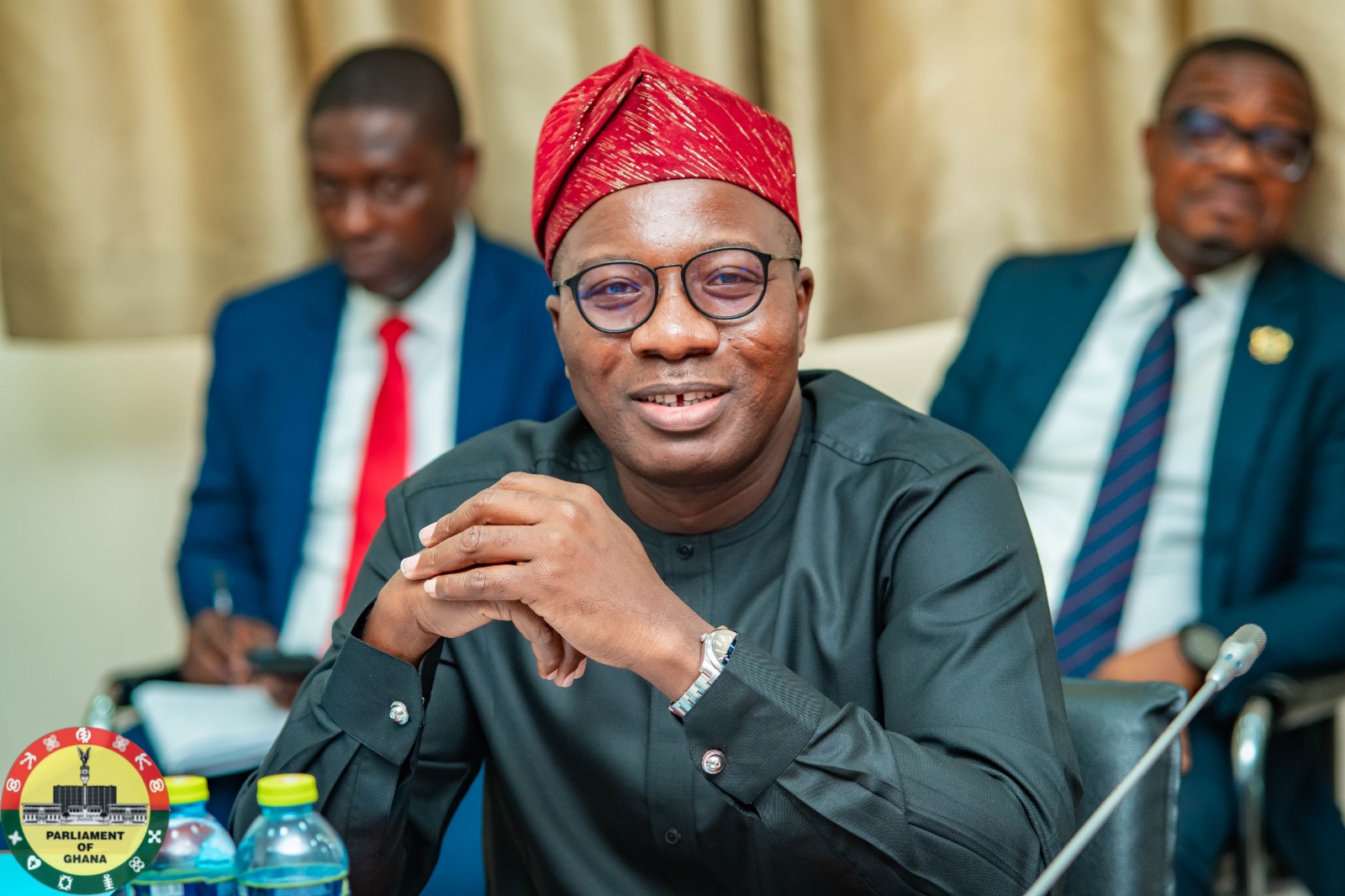
Mohammed Ibrahim Adakar, Director of Planning and Investment at the Community Water and Sanitation Agency (CWSA) opened the session by sharing the spotlight shone on the Rural Water "Utilization" Project. This project, co-conceptualized by four WASH sector partners – CWSA, Water & Sanitation for Urban Poor, IRC, and Safe Water Network – has been underway for the past 27 months. The primary objective? To transform CWSA into a robust rural water utility service organization. The essence of the project revolves around several key objectives. These include strengthening internal change management within CWSA, enhancing the efficiency of water supply infrastructure, piloting model water systems in the Western region, and fortifying sector coordination. The collaboration of entities such as WSUP, Safe Water Network, and IRC is indispensable in various facets of this ambitious endeavor.
As attendees absorbed the presentations, questions naturally arose regarding the scope and findings of the analysis. It became clear that the mandate primarily focused on mapping facilities, leaving untouched topics such as the impact of “galamsey” on water systems or the reasons behind the disbandment of certain facilities. However, the team expressed a readiness to delve deeper into data disaggregation in the future.
One of the pivotal points of discussion was the safety of water facilities after a decade of operation. Mr. Adakar stated challenges faced in managing water systems, including aging infrastructure and billing issues. Efforts are underway to counter these challenges through the implementation of modernized systems and billing platforms, with a vision for universal access and sustainability in service delivery.
The Country Director of …
Mohammed Ibrahim Adakar, Director of Planning and Investment at the Community Water and Sanitation Agency (CWSA) opened the session by sharing the spotlight shone on the Rural Water "Utilization" Project. This project, co-conceptualized by four WASH sector partners – CWSA, Water & Sanitation for Urban Poor, IRC, and Safe Water Network – has been underway for the past 27 months. The primary objective? To transform CWSA into a robust rural water utility service organization. The essence of the project revolves around several key objectives. These include strengthening internal change management within CWSA, enhancing the efficiency of water supply infrastructure, piloting model water systems in the Western region, and fortifying sector coordination. The collaboration of entities such as WSUP, Safe Water Network, and IRC is indispensable in various facets of this ambitious endeavor.
As attendees absorbed the presentations, questions naturally arose regarding the scope and findings of the analysis. It became clear that the mandate primarily focused on mapping facilities, leaving untouched topics such as the impact of “galamsey” on water systems or the reasons behind the disbandment of certain facilities. However, the team expressed a readiness to delve deeper into data disaggregation in the future.
One of the pivotal points of discussion was the safety of water facilities after a decade of operation. Mr. Adakar stated challenges faced in managing water systems, including aging infrastructure and billing issues. Efforts are underway to counter these challenges through the implementation of modernized systems and billing platforms, with a vision for universal access and sustainability in service delivery.
The Country Director of …