We will always need the Toilet: The Urgent Need for the Toilet Conversation
By RCN Ghana · 21 November 2025
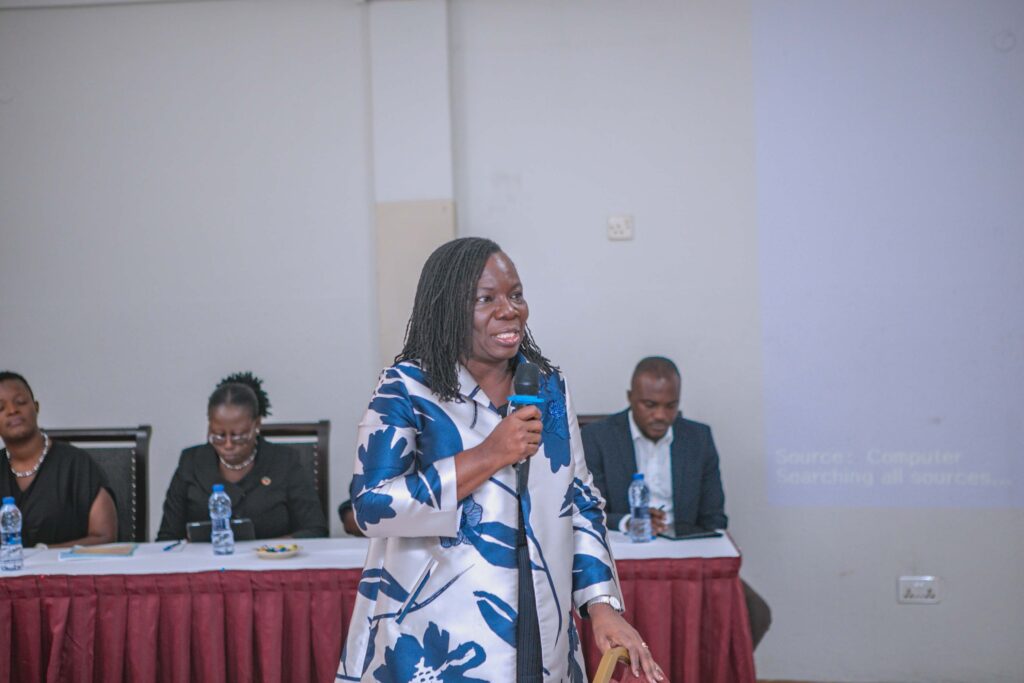
By: Mr. Kwaku Quansah
To majority of Ghanaians looking, for place to defecate, it has been a daily struggle, similarly on every ordinary morning across the various towns and villages there is a universal human truth, and that is each one of us will need a toilet in the next second, minute or hour ahead of us. Food may wait, clothing may change and technology may leap, but as our elders say, “the stomach has no calendar,” and the call of nature does not wait for any man, woman or child. Toilets in modern times are no longer luxuries nor for the rich. They are instruments of dignity, protectors of health, enablers of safety, promoters of productivity, and defenders of our rivers, soils and climate. A toilet is a simple room, yet it carries the power to transform a household, a community and a nation. This year’s World Toilet Day is being commemorated, under the theme “We will always need the toilet,” Ghana has an opportunity to remind itself and the world that sanitation is not an aspiration; it is a right, a necessity, and a moral duty we owe one another.
Across the country, progress has been made, but the journey ahead remains steep. Recent data from the WHO/UNICEF Joint Monitoring Programme tells us that the world is struggling to meet the 2030 SDG sanitation target, and Ghana is no exception. Our population now hovers around 35 million, living in just under 9.75 million households with an average household size of 3.6, yet millions of homes still lack toilets. As recently as 2021, official national report showed that only about 59.3% of households had a toilet to use. Despite the continuous investment, policy enforcement and development support, a significant gap remains. About 4.3 million Ghanaian households still lack toilets in their homes. The old proverb says, “The one who fetches water is the one who sees how deep the pot is.” Though we have fetched enough water, we still have a lot of work to do.
Open defecation remains a stubborn challenge. With 17.7% …
To majority of Ghanaians looking, for place to defecate, it has been a daily struggle, similarly on every ordinary morning across the various towns and villages there is a universal human truth, and that is each one of us will need a toilet in the next second, minute or hour ahead of us. Food may wait, clothing may change and technology may leap, but as our elders say, “the stomach has no calendar,” and the call of nature does not wait for any man, woman or child. Toilets in modern times are no longer luxuries nor for the rich. They are instruments of dignity, protectors of health, enablers of safety, promoters of productivity, and defenders of our rivers, soils and climate. A toilet is a simple room, yet it carries the power to transform a household, a community and a nation. This year’s World Toilet Day is being commemorated, under the theme “We will always need the toilet,” Ghana has an opportunity to remind itself and the world that sanitation is not an aspiration; it is a right, a necessity, and a moral duty we owe one another.
Across the country, progress has been made, but the journey ahead remains steep. Recent data from the WHO/UNICEF Joint Monitoring Programme tells us that the world is struggling to meet the 2030 SDG sanitation target, and Ghana is no exception. Our population now hovers around 35 million, living in just under 9.75 million households with an average household size of 3.6, yet millions of homes still lack toilets. As recently as 2021, official national report showed that only about 59.3% of households had a toilet to use. Despite the continuous investment, policy enforcement and development support, a significant gap remains. About 4.3 million Ghanaian households still lack toilets in their homes. The old proverb says, “The one who fetches water is the one who sees how deep the pot is.” Though we have fetched enough water, we still have a lot of work to do.
Open defecation remains a stubborn challenge. With 17.7% …