Handbook on Community-Led Total Sanitation
By Plan Int. · 05 March 2008
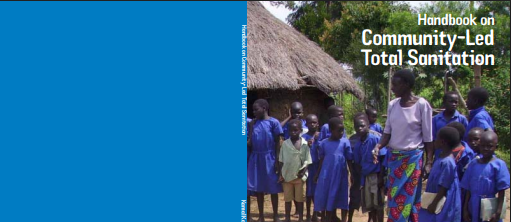
The CLTS approach originates from Kamal Kar’s evaluation of WaterAid Bangladesh and their local partner organisation – VERC’s (Village Education Resource Centre is a local NGO) traditional water and sanitation programme and his subsequent work in Bangladesh in late 1999 and into 2000. This led to the discovery of the CLTS approach in which use of PRA methods enables local communities to analyse their sanitation conditions and collectively internalise the terrible impact of OD on public health and on the entire neighbourhood environment. (See APPENDIX A Page 76) for details. When triggered systematically and combined with ‘no-hardware subsidy’ policy and a hands-off approach by the facilitator, CLTS could provoke urgent collective local action to become totally ODF. A new style of facilitation has evolved. In its classic form, this uses the crude local word for “shit” and encourages local communities to visit the dirtiest and filthiest areas in the neighbourhood. Appraising and analysing their practices shocks, disgusts and shames people. This style is provocative and fun
More Other Publications
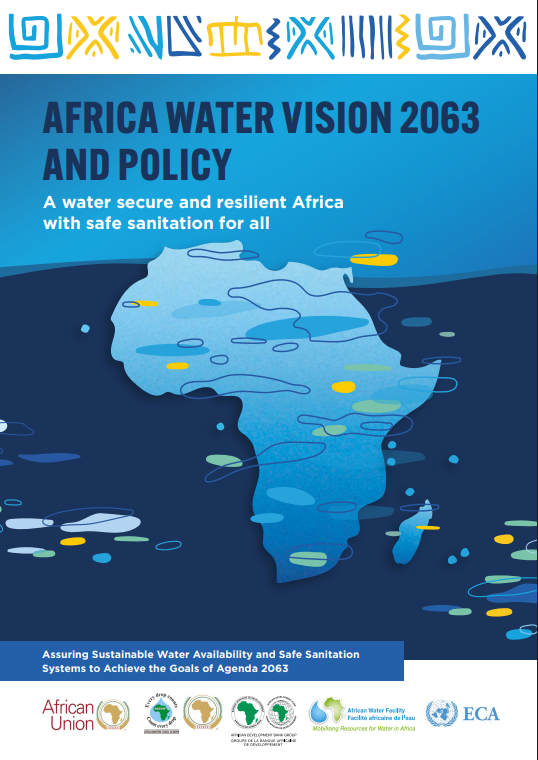
Africa Water Vision 2063 and Policy
Africa Water Vision 2063 and Policy — a WASH sector resource shared by RCN Ghana.
18 Feb 2026
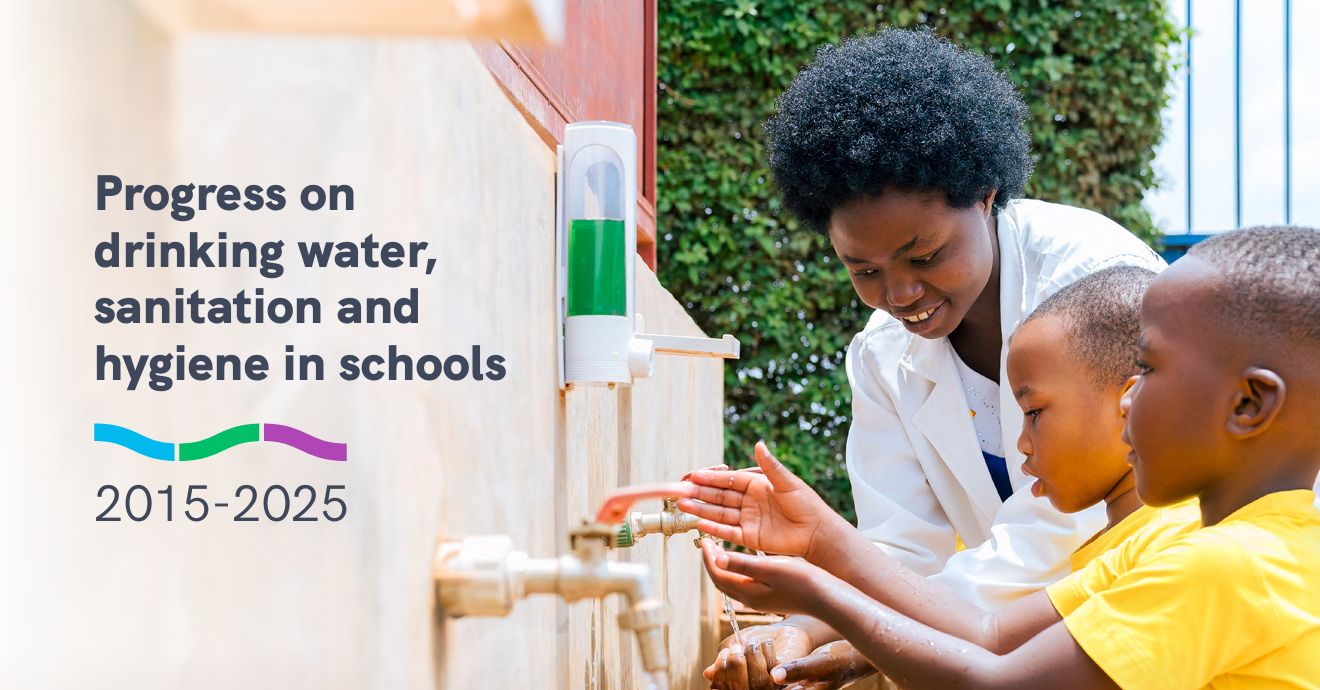
Progress on drinking water, sanitation and hygiene in schools 2015 - 2025
WHO/UNICEF joint monitoring programme for water supply, sanitation, and hygiene
01 Jan 2026
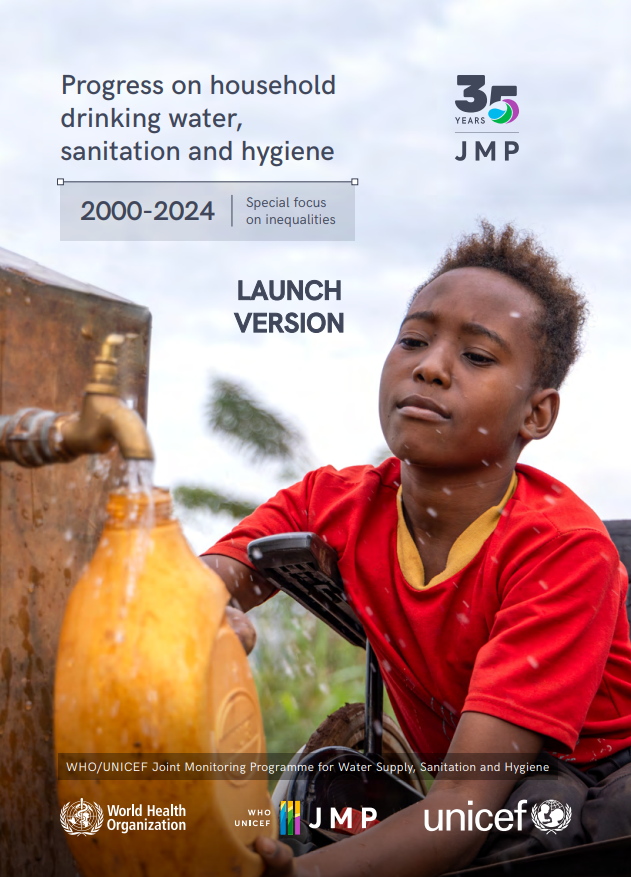
JMP 2024 WASH households launch
In 2024, the JMP released updated estimates for WASH in schools and WASH in health care facilities (2000–2023). This report presents updated national, regional and global estimates for WASH in households for the period 2000–2024.
17 Sep 2025

Guidelines on Core Components of Infection Prevention and Control Programmes at the National and Acute Health Care Facility Level
Health care-associated infections (HAI) are one of the most common adverse events in care delivery and a major public health problem with an impact on morbidity, mortality and quality of life. At any one time, up to 7% of patients in developed and 10% in developing countries will acquire at least one HAI. These infections also present a significant economic burden at the societal level. However, a large percentage of HAI are preventable through effective infection prevention and control (IPC) measures.
12 May 2025