Advanced Toilet Technology Manual First Edition
By UNICEF / KNUST · 12 May 2019
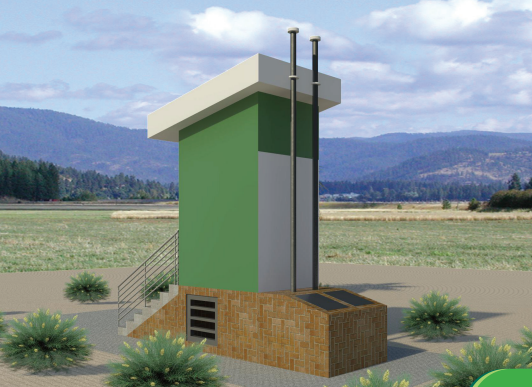
Adequate and improved sanitation solutions are crucial for the protection of public and environmental health. Ghana has made significant progress in providing access to improved water to about 80% of the population. However, access to basic sanitation is estimated to be 18% and about 4,000 children die each year from diarrhea. The states of the world’s toilet named Ghana among the world’s top 10 most countries with the highest percentage of the population without decent toilet facilities. Currently, the national sewerage coverage is as low as 4.5% and open defecation is practiced by about 18% of the Ghanaian population
More WASH Publications
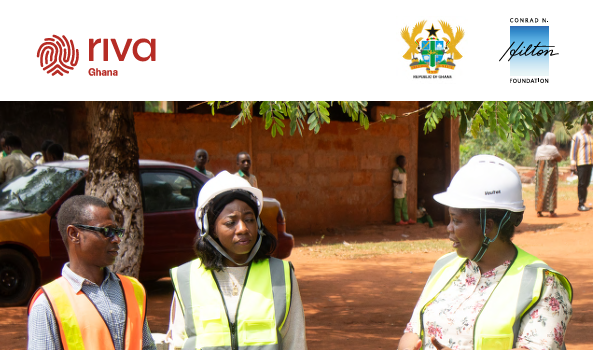
Operations and Maintenance (O&M) Framework for Rural and Small-Town Water Supply Systems in the Ahafo Region
The Framework was developed through a consultative process involving desk review, stakeholder interviews, and field consultations to ensure that it reflects both sector evidence and implementation realities.
21 Sep 2026
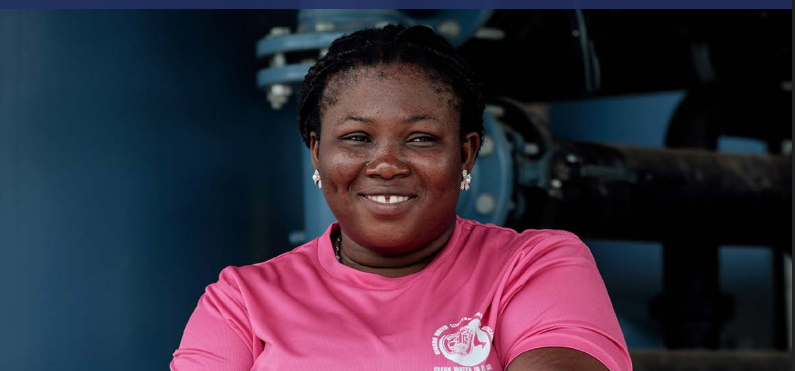
Study on formalising relationships between CWSA, private operators, WSMTs and other actors
Access to water supply in rural communities and small towns in Ghana has risen from 27% in 1990 to 62% in 2022, while contributing to improvement in water-related sanitation and hygiene. However, the programme was fraught with significant challenges.
25 Feb 2026
GLAS 2025
This summary presents the key findings from the UN-Water Global Analysis and Assessment of Sanitation and Drinking-Water (GLAAS) 2025 report. It highlights the current state of drinking-water, sanitation and hygiene (WASH) systems, shares examples where there are signs of progress, identifies critical gaps and points towards areas where greater efforts can bolster implementation and performance to achieve national WASH policy goals and targets.
05 Feb 2026
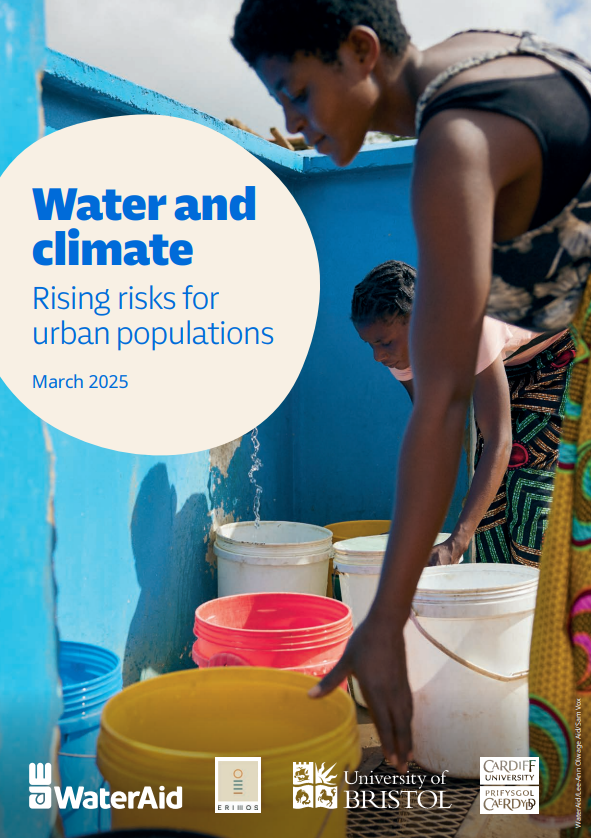
Water and Climate (Rising risks for urban populations) compressed compressed
Water is vital to a city’s growth and stability and is the backbone to healthy societies, yet the threat of too much or too little water puts everything at risk.
06 May 2025