

Strengthening Data Skills to Improve Rural Water Service Delivery
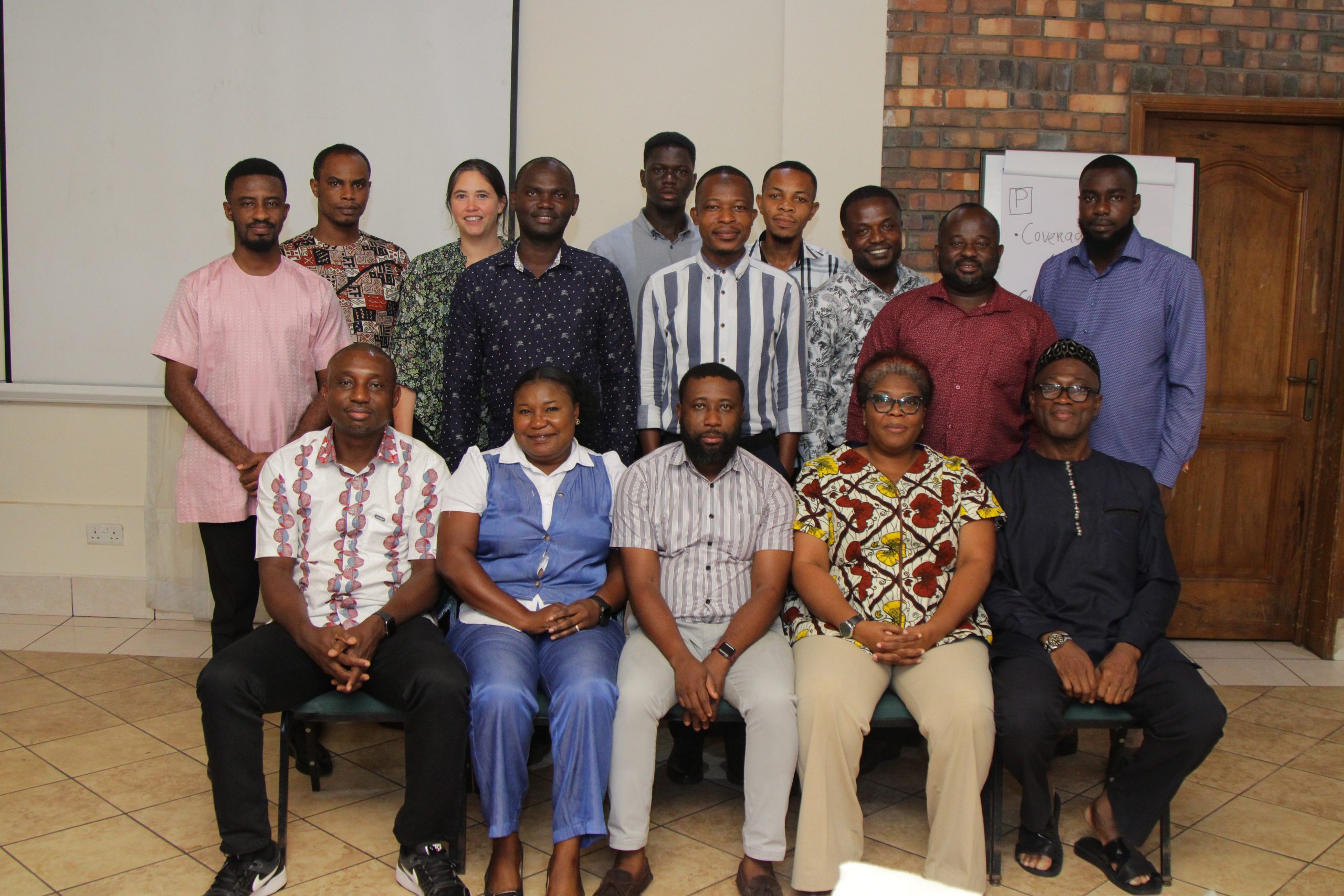
On the 2nd and 3rd of December, IRC hosted a capacity-building workshop for staff of the Community Water and Sanitation Agency (CWSA), aimed at strengthening the use of data to improve planning, monitoring, and decision-making in Ghana’s rural and small-town water sector.
The training, organised under the Rural Water Utilitisation Project (RWUP), brought together regional and national CWSA officers to build practical skills in data collection, analysis, and visualization using the mWater digital platform. The initiative is part of ongoing efforts to support Ghana’s utility reform and ensure more efficient and sustainable water service delivery.
Opening the workshop, facilitators emphasised that data is not only a technical resource but a practical tool used daily to make decisions, from financial planning and time management to navigation and health monitoring. Participants were encouraged to view data as an everyday asset that can equally transform how water services are planned and managed at district, regional, and national levels.
The training builds on extensive service monitoring carried out in the Western Region between 2022 and 2023, where thousands of water facilities, including handpumps, standpipes, and piped schemes, were mapped in collaboration with the Ghana Statistical Service. While the data collection phase has been completed and reports published, facilitators noted that limited dissemination and use of the data had reduced its impact, particularly at the district level.
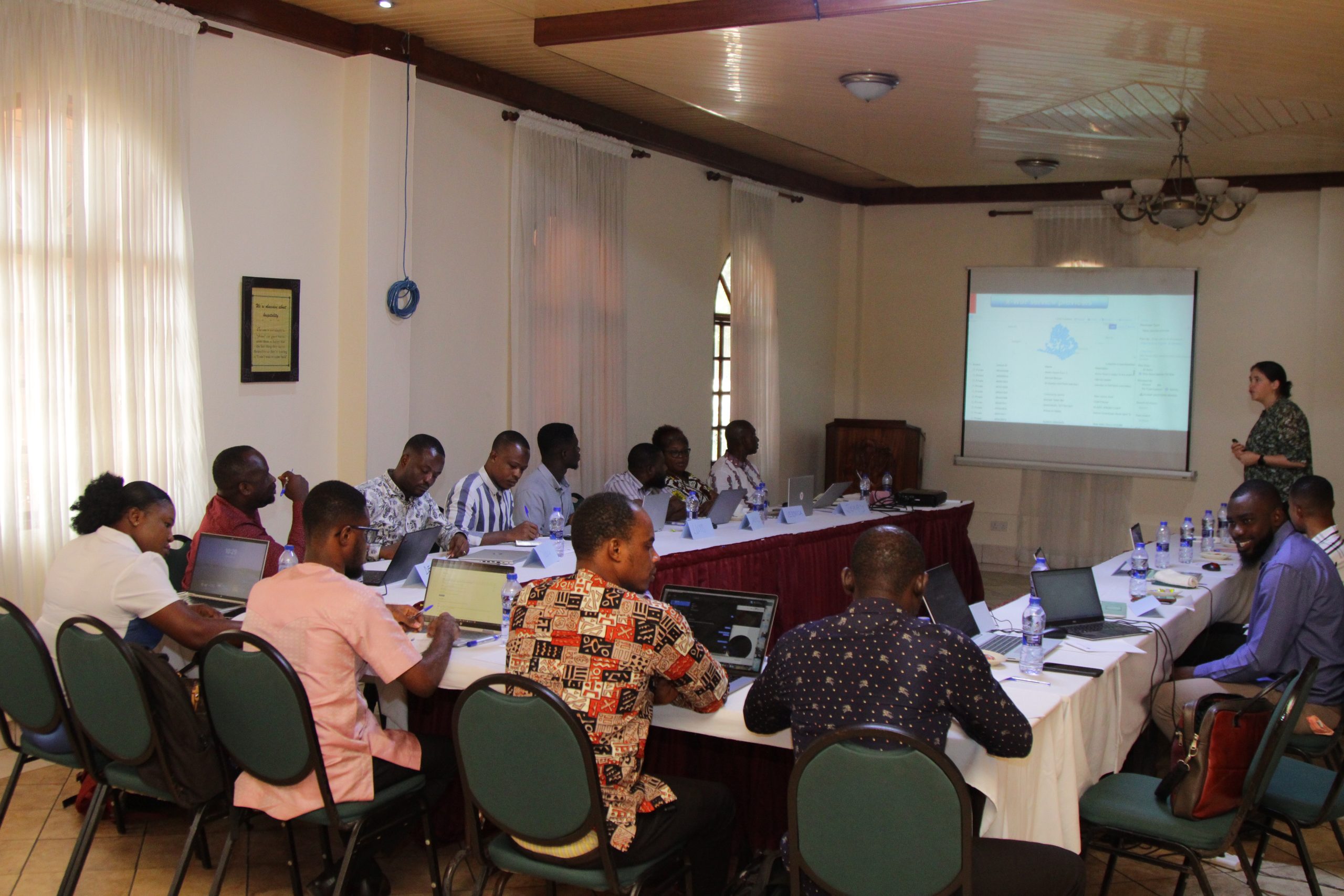
Workshop session in progress
To address this gap, the workshop focused on enabling CWSA staff to independently access, interpret, and use the data for routine planning and performance monitoring. Participants were introduced to dashboards, maps, and data consoles that can present complex information in simple visual formats for decision-makers, including district assemblies and service providers.
According to IRC, each district will be supported in developing its own data console, alongside a consolidated regional and national view. This approach is expected to improve transparency, support evidence-based investments, and help track progress toward universal access to safe water services.
The workshop also highlighted lessons from other regions, where similar data systems have informed district WASH master plans, guided annual performance reviews, and supported corrective action for underperforming water systems. Facilitators stressed that regular updating and active use of data are essential to sustaining these gains.
The Rural Water Utilitisation Project is implemented through a partnership involving IRC, CWSA, Safe Water Network, and other stakeholders, with funding support from development partners. The project aims to strengthen institutional capacity, improve operational efficiency, and promote sector learning as Ghana advances water sector reforms.
Participants are expected to apply the skills gained during the training to support ongoing service monitoring, improve reporting, and ensure that investments in data collection translate into better water services for communities across the country.