WASH Publications
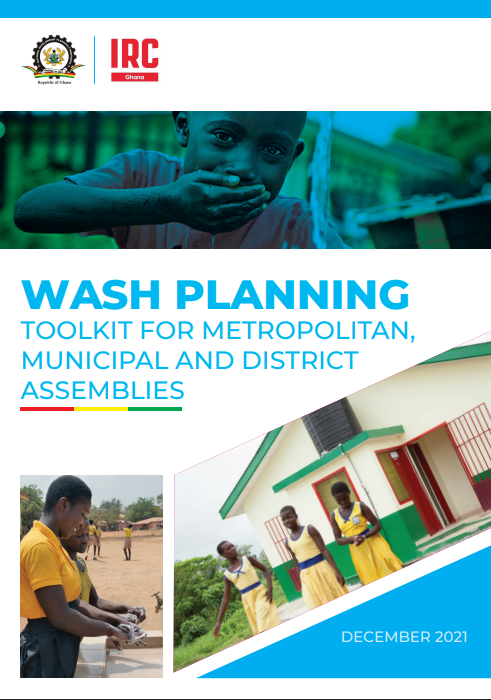
WASH TOOLKIT FOR METROPOLITAN MUNICIPAL AND DISTRICT ASSEMBLIS
The 2021 Housing and Population Census indicated that about 92.2 percent of households have access to improved water sources, with about 87 percent of the population having access to at least basic drinking water service (both safely managed and basic drinking water services). The main sources of water are sachet water, pipe-borne water, and borehole/tube wells. According to the 2018 Multiple Indicator Cluster Survey, approximately 76 percent of households are at risk of drinking water contaminated with faecal matter, which is a potential public health threat. In 2021, access to at least basic sanitation service stood at about 22 percent, and open defecation was estimated at 18 percent, while the proportion of the population practicing basic hygiene was 42 percent. In all cases, access to WASH services was higher in urban than rural areas.
25 Dec 2021
WASH FOR HEALTH PROGRAM END-OF-PROGRAM REPORT (USAID)
The WASH for Health journey, which started in February 2015, has gradually come to a close, with hundreds of thousands of lives impacted. The achievements and overachievements of targets under all six components of the program have cumulatively led to this feat. Thanks to the WASH for Health team's passion and diligence, strategic collaborations, partnerships, and immense support and guidance of USAID, the program's goal has been achieved. This report entails the overview, achievements, and recommendations of the WASH for Health Program. The achievements under each component at the end of the program have been summarized below......
30 Sep 2021
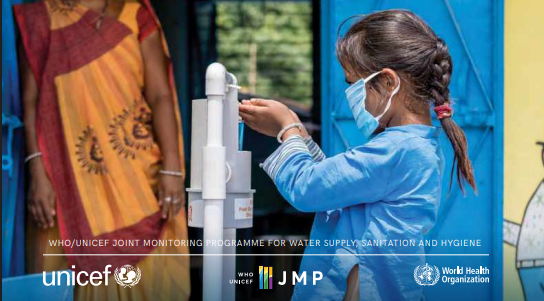
PROGRESS ON DRINKING WATER, SANITATION AND HYGIENE IN SCHOOLS
01 Oct 2020
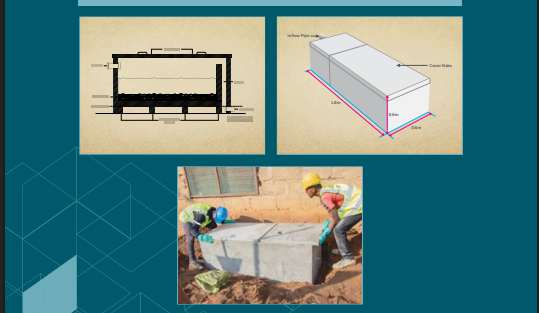
Bio-Digester Construction Manual (2020)
The bio-digester toilet technology is one of the fastest growing toilet options in urban Ghana. The use of bio-digesters has been given a boost by the World Bank-funded GAMA Sanitation and Water Project (2014-2020), which seeks to provide improved sanitation to low-income urban areas. Currently, bio-digesters are the predominant toilet technologies in the low-income communities within GAMA, with about 98 % of all constructed household toilets under the project being bio-digesters. The number of variants of the bio-digester has increased over the years, with different service providers providing different designs and configurations of the technology. This has necessitated the need for standardization through a construction manual.
08 Jun 2020
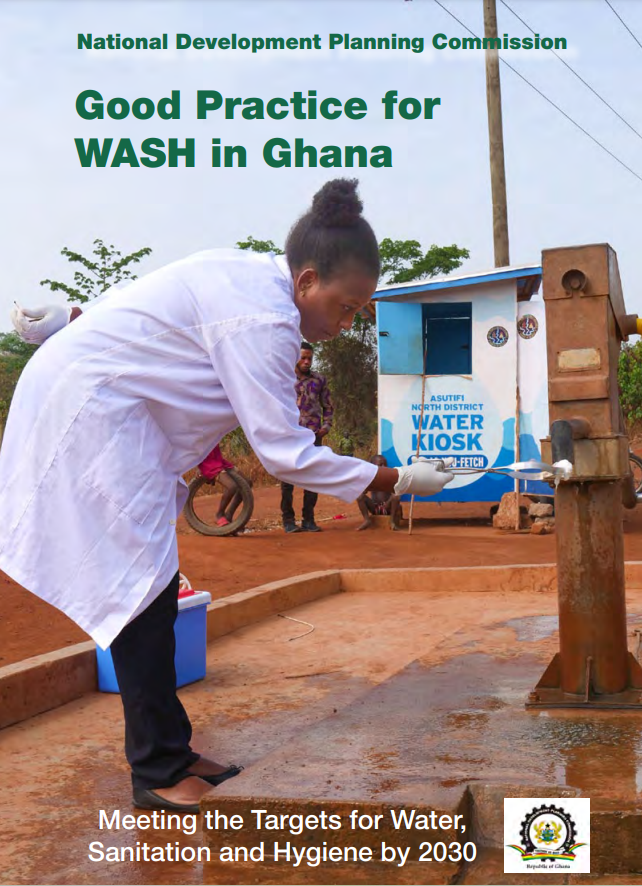
NDPC Good Practice for WASH in Ghana 2020
This booklet highlights experiences in three districts of Ghana, reflecting efforts to achieve the Sustainable Development Goal (SDG) for water, sanitation and hygiene (WASH). They represent examples from real-life about making progress towards the targets set by the Government. These ‘best practice’ stories have been collected by the National Development Planning Commission (NDPC), which advises the President of Ghana on development strategies.
03 Jun 2020
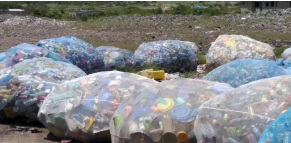
National Solid Waste Management Strategy
Despite its links to public health and environmental protection and its salience in the public consciousness, progress on improving Solid Waste Management (SWM) practices remains slow in Ghana.
01 Jun 2020
Sanitation Financing Options and Guideline Paper for UNICEF 2
24 Mar 2020
COST-BENEFIT ANALYSIS OF IMPROVED URBAN SANITATION IN GHANA
Urban sanitation coverage in Ghana is abysmal. With improved, non-shared sanitation at only 22% of the urban population in 2017, pragmatic effort is needed from policy and decision makers to improve the situation. This paper assesses the benefits and costs of interventions to improve urban sanitation situation in Ghana. Benefits and costs of two main interventions: toilet subsidy with enforcement, and toilet subsidy only, are evaluated based on the available evidence from practices in the sanitation sector.
05 Mar 2020
National Strategy for Water, Sanitation and Hygiene-Infection Prevention and Control in Healthcare Facilities
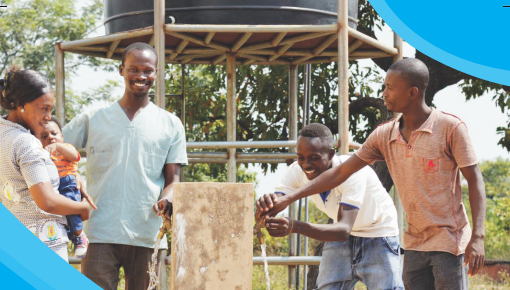
The Ministry of Health has developed a costed National Strategy for Water, Sanitation and Hygiene-Infection Prevention and Control (WASH-IPC) in healthcare facilities because hospital-associated Infections (HAIs) are important causes of morbidity and mortality.
03 Feb 2020
DISTRICT SANITATION FUND TOOLKIT
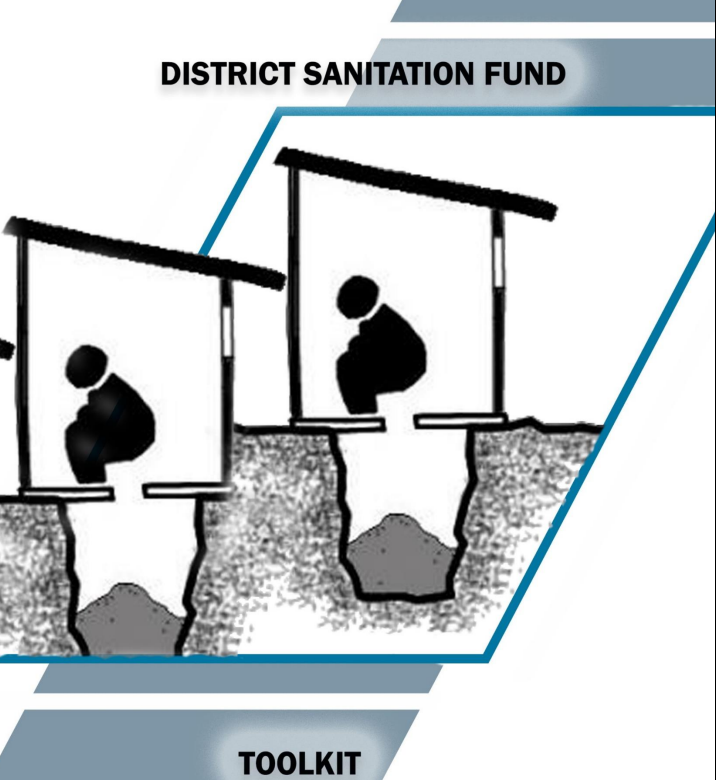
An estimated 19% practice open defecation in Ghana. The application of this proportion on the estimated 5,467,136 households comes to 1,038,755 households without household latrines. The problem is, a number of these households do not earn enough money to make one-off Investments in the acquisition of household latrines. As a result, many of them will continue to openly defecate and or turn to the use of unsafe toilet facilities.
24 Jan 2020
Facilitators-Guide-How-to-Start-and Manage your Sanitation Business
This facilitator’s guide complements the “Training Manual on How to Start and Manage your Sanitation Business”. It provides guidance to facilitators on the various topics in the manual. This is developed based on the premise that, facilitators have strong understanding and knowledge of the subject matter and are in a position to be practical and provide appropriate examples to enhance participants' understanding
24 Dec 2019
Solid Waste Management Strategy
In June 2018 the National Technical Working Group on Sanitation agreed to the development of a comprehensive ‘National Urban Sanitation Strategy’
10 Dec 2019