WASH Publications
IMPLEMENTATION OF RURAL SANITATION MODEL AND STRATEGY THROUGH RESULTS BASED FINANCING
UNICEF has been supporting the Government of Ghana (GoG) to implement the Rural Sanitation Model and Strategy (RSMS) through the GoG -UNICEF Water and Sanitation (WASH) programme since 2012.
24 Nov 2019
Technical Guidelines for Household Latrine Design and Construction
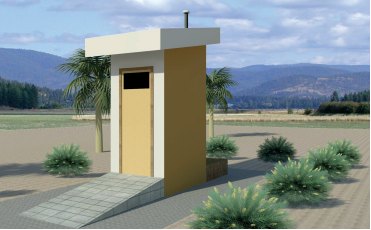
The document for household latrine design and construction was developed in the framework of generating demand under the Sanitation Marketing (SanMark) programme for implementing the Rural Sanitation Model and Strategy in Ghana. This document will provide basic knowledge on household latrine design and construction to latrine artisans, Environmental Health Officers(EHOs), Community Led-Total Sanitation (CLTS) Field Facilitators, Technical Service Providers (TSPs), Community Technical Volunteers (CTVs), Natural Leaders and other WASH actors so they can ensure the construction of appropriate latrines.
14 Oct 2019
Evaluating the Potential of Container-Based Sanitation
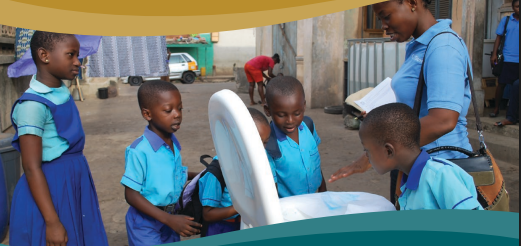
This case study, along with three others, is a component of a wider study by the World Bank of container-based sanitation (CBS) models. CBS consists of an end-to-end service—that is, one provided along the whole sanitation service chain—that collects excreta hygienically from toilets designed with sealable, removable containers and strives to ensure that the excreta is safely treated, disposed of, and reused. Rather than having to build a sanitation facility, households (or public toilet operators) can sign up for the service. The CBS service provider then installs a toilet with sealable excreta receptacles (also referred to as cartridges) and commits to emptying them (that is, removing and replacing with clean ones) on a regular basis.
13 Aug 2019
2019 MINIMUM TECHNICAL GUIDELINE FOR HOUSEHOLD LATRINES
Safe disposal of human excreta is essential for ensuring a healthy environment and for protecting personal health. It creates the first barrier to excreta related disease, helping to reduce transmission through direct and indirect routes. Safe excreta disposal is therefore a major priority and should be addressed with a sense of urgency, as the provision of safe water supply. The provision of appropriate facilities for defaecation is essential for people’s dignity, safety, health and well-being.
24 Jul 2019
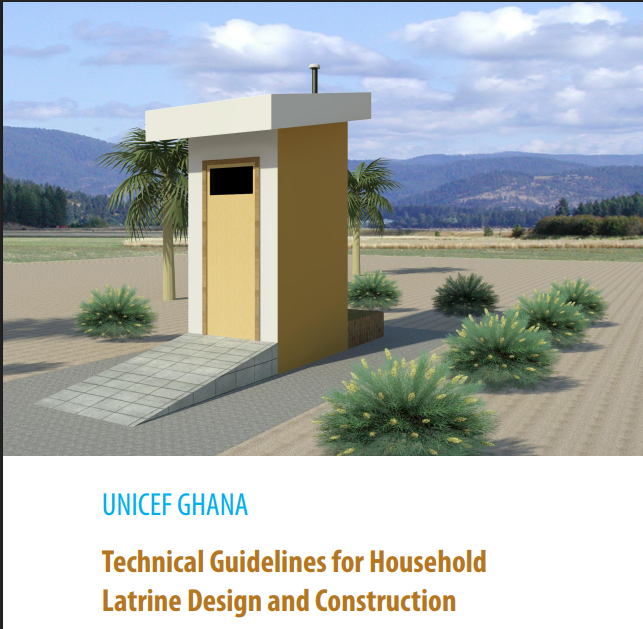
Technical Guidelines for household Latrine Design and Construction
The document for household latrine design and construction was developed in the framework of generating demand under the Sanitation Marketing (SanMark) programme for implementing the Rural Sanitation Model and Strategy in Ghana.
24 May 2019

Advanced Toilet Technology Manual First Edition
Adequate and improved sanitation solutions are crucial for the protection of public and environmental health. Ghana has made significant progress in providing access to improved water to about 80% of the population. However, access to basic sanitation is estimated to be 18% and about 4,000 children die each year from diarrhea. The states of the world’s toilet named Ghana among the world’s top 10 most countries with the highest percentage of the population without decent toilet facilities. Currently, the national sewerage coverage is as low as 4.5% and open defecation is practiced by about 18% of the Ghanaian population
12 May 2019
LATRINE SELECTION GUIDE
A latrine is a safe and private place to be used for defecation. There are two types of latrines, which are improved latrines and unimproved latrines. An unimproved latrine does not hygienically separate excreta from humans. This implies that, when using an unimproved latrine, there is a high possibility of excreta coming into contact with humans or users
24 Jan 2019
WATER, SANITATION, AND HYGIENE IN HEALTH CARE FACILITIES (PRACTICAL STEPS TO ACHIEVE UNIVERSAL ACCESS TO QUALITY CARE)
In 2018 the Secretary-General of the United Nations (UN) issued a Global Call to Action to elevate the importance of and prioritize action on WASH in all health care facilities, including primary, secondary and tertiary facilities in both the public and private sectors. The call recognises the important role WASH plays in preventing infections, saving lives, and improving quality of care. As such, all UN agencies, Member States, and partners are now being asked to invest more in this critical component for health and wellbeing
01 Jan 2019
Guidelines forTargeting the Poor and Vulnerable for Sanitation Servicesin Ghana
This document is a national guideline for targeting and providing basic sanitation services for the poor and vulnerable in Ghana. It was developed by the Ministry of Sanitation and Water Resources, with support from all stakeholders in the sanitation sector in Ghana.
24 Jun 2018
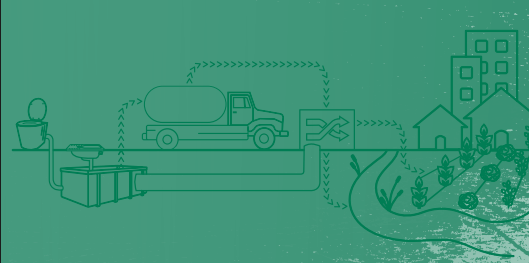
GUIDELINES ON SANITATION AND HEALTH
Safe sanitation is essential for health, from preventing infection to improving and maintaining mental and social well-being. The lack of safe sanitation contributes to diarrhoea, a major public health concern and a leading cause of disease and death among children under five years in low- and middle- income countries; poor sanitation also contributes to several neglected tropical diseases, as well as broader adverse outcomes such as undernutrition
05 May 2018
RSMS ESMF FACILITATION GUIDE
The ESMF addressed 7 areas of environmental and social priorities that could facilitate Sustainable, quality sanitation delivery in the country under the RSMS implementation.
01 Feb 2018
SOCIAL FUND TOOLKIT
Due to the high borrowing and lending rates in Ghana coupled with a generally poor portfolio quality of the microfinance environment, financial service providers (who are best poised to facilitate investment in sanitation) are reluctant to go into sanitation financing without direct government and development partner interventions
24 Dec 2016